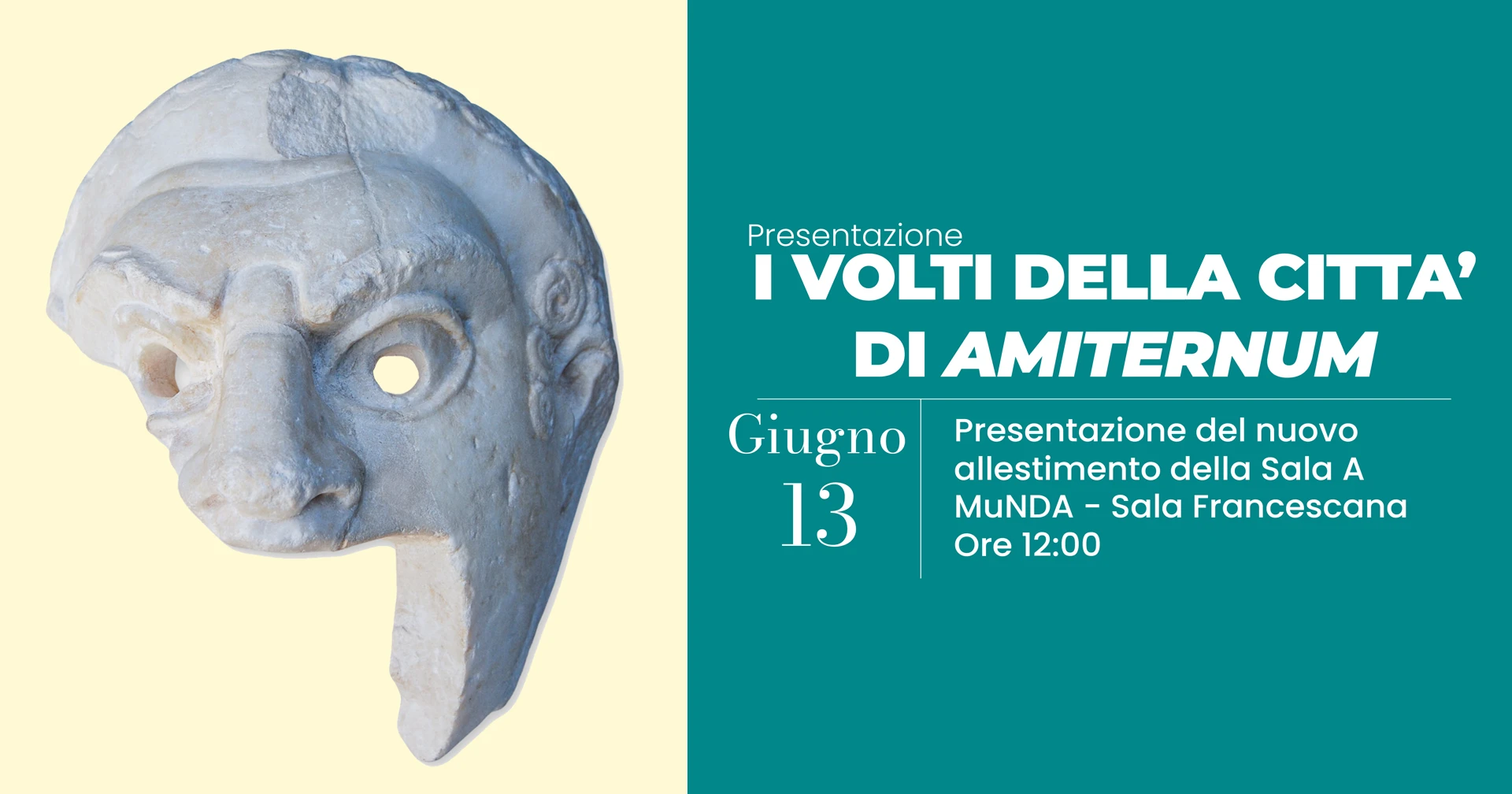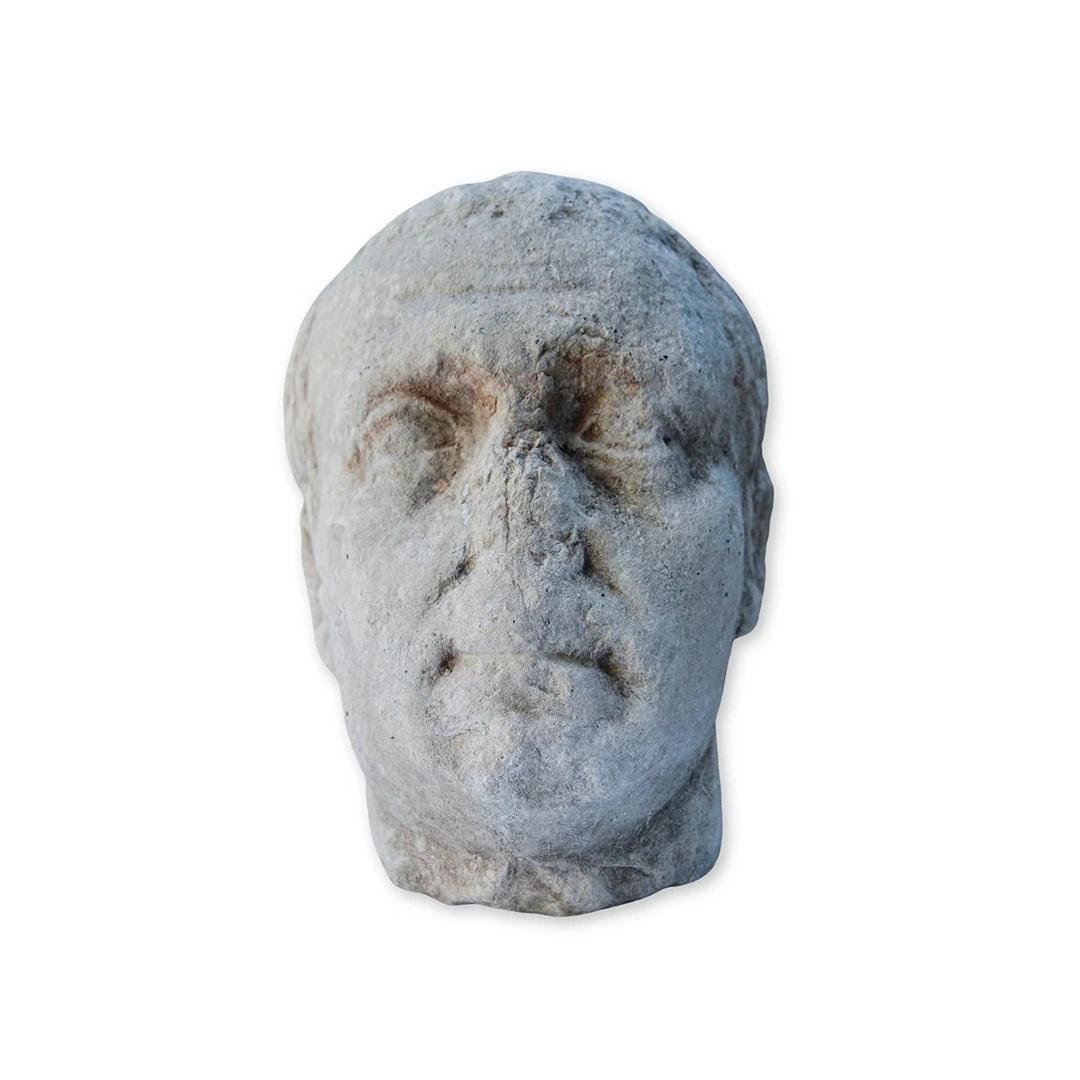

The National Museum of Abruzzo is participating in the European Days of Archaeology (GEA), scheduled for June 13-15, 2025, presenting the partial reorganization of Room A, made possible thanks to the recent allocation of archaeological finds from the deposits of the Superintendency of Archaeology, Fine Arts and Landscape for the provinces of Chieti and Pescara.
The MuNDA, pursuant to ministerial and government provisions, Ministerial Decree 53 of February 9, 2024, Amendments to the Ministerial Decree of December 23, 2014, on the “Organization and Operation of State Museums,” and Prime Ministerial Decree no. 57 of 15 March 2024, containing the “Organizational Regulations of the Ministry of Culture, of the offices directly collaborating with the Minister and of the Independent Performance Evaluation Body”, acquired the Amiternum Archaeological Park in July 2024. Excavations were carried out on the site in 2014, bringing to light the finds now on display to the public for the first time.
Four of the five stone sculpture fragments have previously been stored in the SABAP Chieti-Pescara warehouses located in Sulmona and Chieti, due to the fact that the Archaeological Park was under the jurisdiction of the aforementioned Superintendency during the year the excavations were carried out. Following subsequent ministerial reforms, the Park has been managed by SABAP AQ-TE and the Abruzzo Regional Museums Directorate.
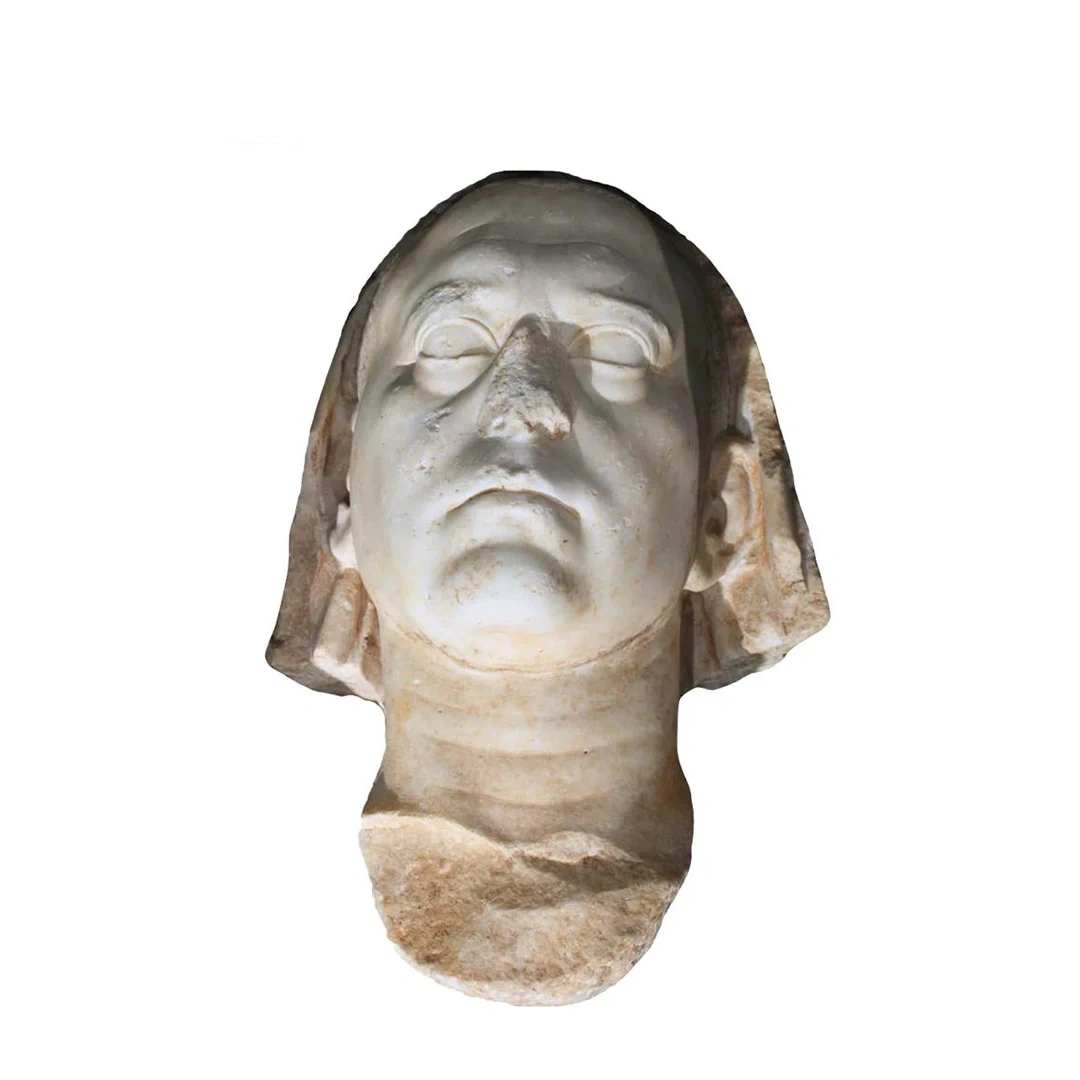
Almost a year after the Park was formally reassigned to MuNDA, these artefacts from the city of Amiternum have returned to their original location and are finally on display, offering an interesting comparison between the Portrait of a Private Man from the Museum’s collections and the Portrait of a Private Man with a Veiled Head from the Chieti warehouse.
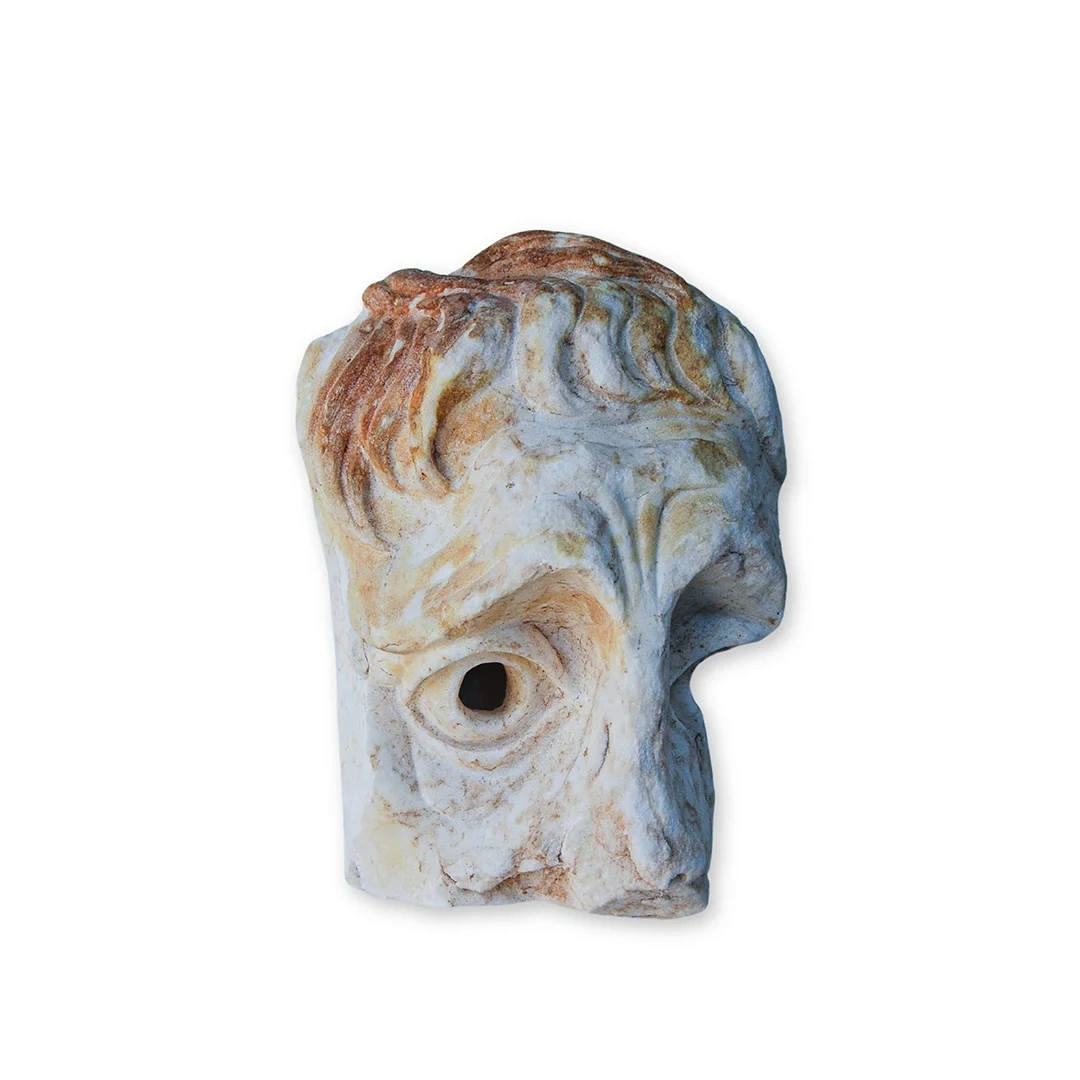
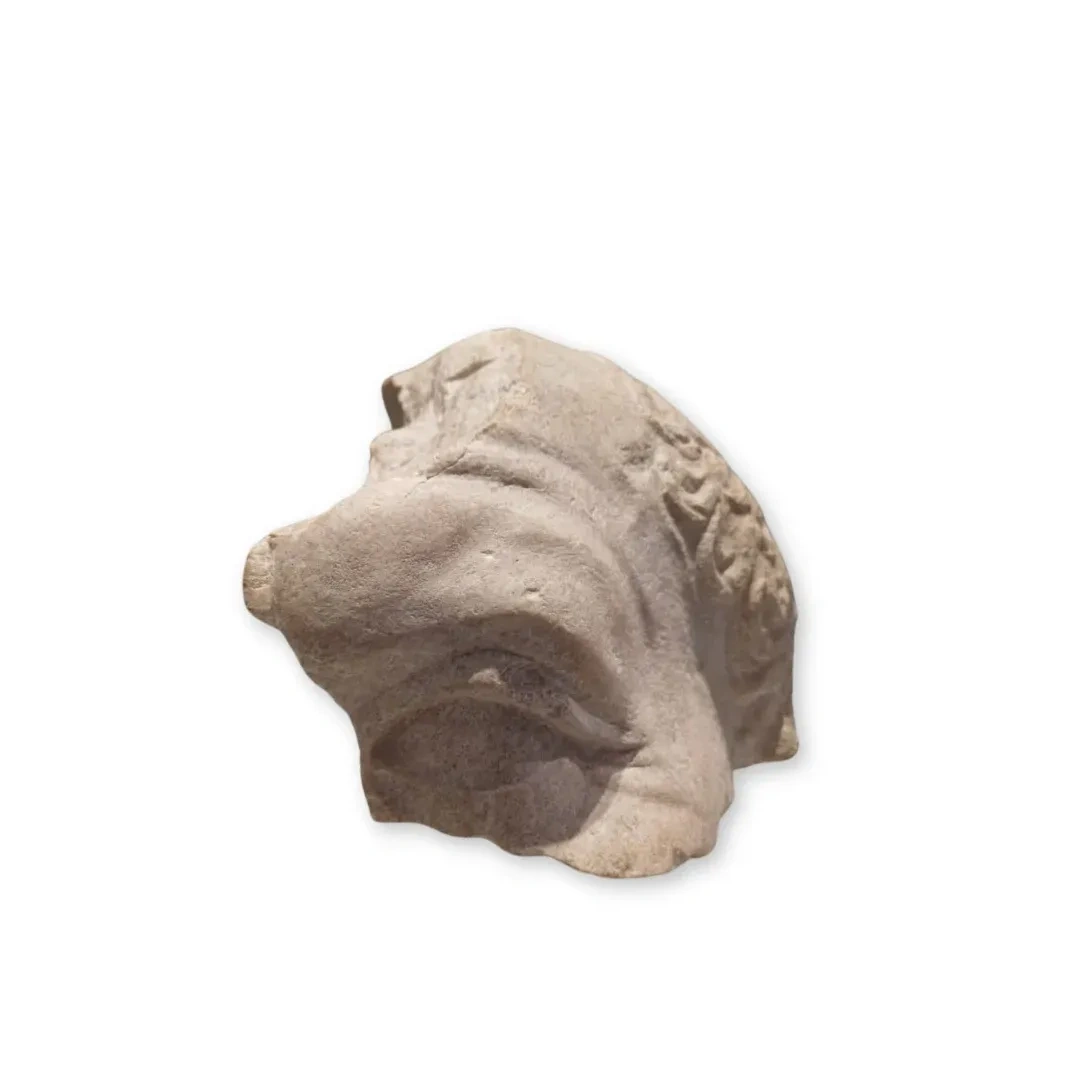
The interesting and unprecedented display features five faces from the city of Amiternum, part of marble and limestone sculptures. These rare and beautiful fragments include a Portrait of Emperor Vespasian, likely placed on the stage backdrop of the Theater to honor his dynasty, the Flavian family, originally from Upper Sabina, the same region as Amiternum; a Portrait of a Private Citizen with a Veiled Head, almost certainly belonging to a prominent figure in the city of Amiternum; a Portrait of a Private Citizen, thought to belong to a member of the city’s elite around the middle of the 1st century BC; a theatrical mask of a comic character found during excavations in the basin of a fountain located in front of the Roman Theater, which has unique features, only partially comparable to those of other similar finds recovered in Italy, particularly in Parma, and in Spain, in Cordoba; and finally, a theatrical mask of a tragic character, whose somatic and iconographic characteristics are similar to those of a slave.
The presentation of the new layout of Room A will take place on the first of three European Archaeology Days, during which the Museum guarantees the widest possible access to its collections and exhibition spaces related to the disciplines of archaeology and paleontology.
The Theater and Amphitheater of the Amiternum Archaeological Park will be open continuously from 8:30 a.m. to 7:30 p.m. from June 13th to 15th; on the final day, June 15th, the Theater will close at 6:00 p.m.
On Saturday, June 14th, a free guided tour of the Amphitheater led by Museum staff will be available at 11:00 a.m., subject to availability.
On Sunday, June 15th, at 5:00 pm, a free guided tour led by Museum staff will be available at the Theater, subject to availability.
The east bastion of the Castello cinquecentesco which houses the fossilized mammoth skeleton, will be open on June 14th and 15th from 9:00 am to 7:00 pm (last admission at 6:30 pm). A free guided tour will also be available here on June 14th at 5:00 pm, with admission subject to the current admission fee.
The GEA initiative is coordinated by the French National Institute for Preventive Archaeological Research (INRAP) under the auspices of the French Ministry of Culture and with the patronage of the Council of Europe.
In 2019, the National Archaeology Days (JNA) opened their doors to Europe, and since 2020, the National Archaeology Days have been renamed the European Archaeology Days (JEA).
The Ministry of Culture, with its Directorate-General for Museums and Directorate-General for Archaeology, Fine Arts, and Landscape, is participating again this year with numerous initiatives throughout Italy to raise public and community awareness of the protection and promotion of the national archaeological heritage.