Description
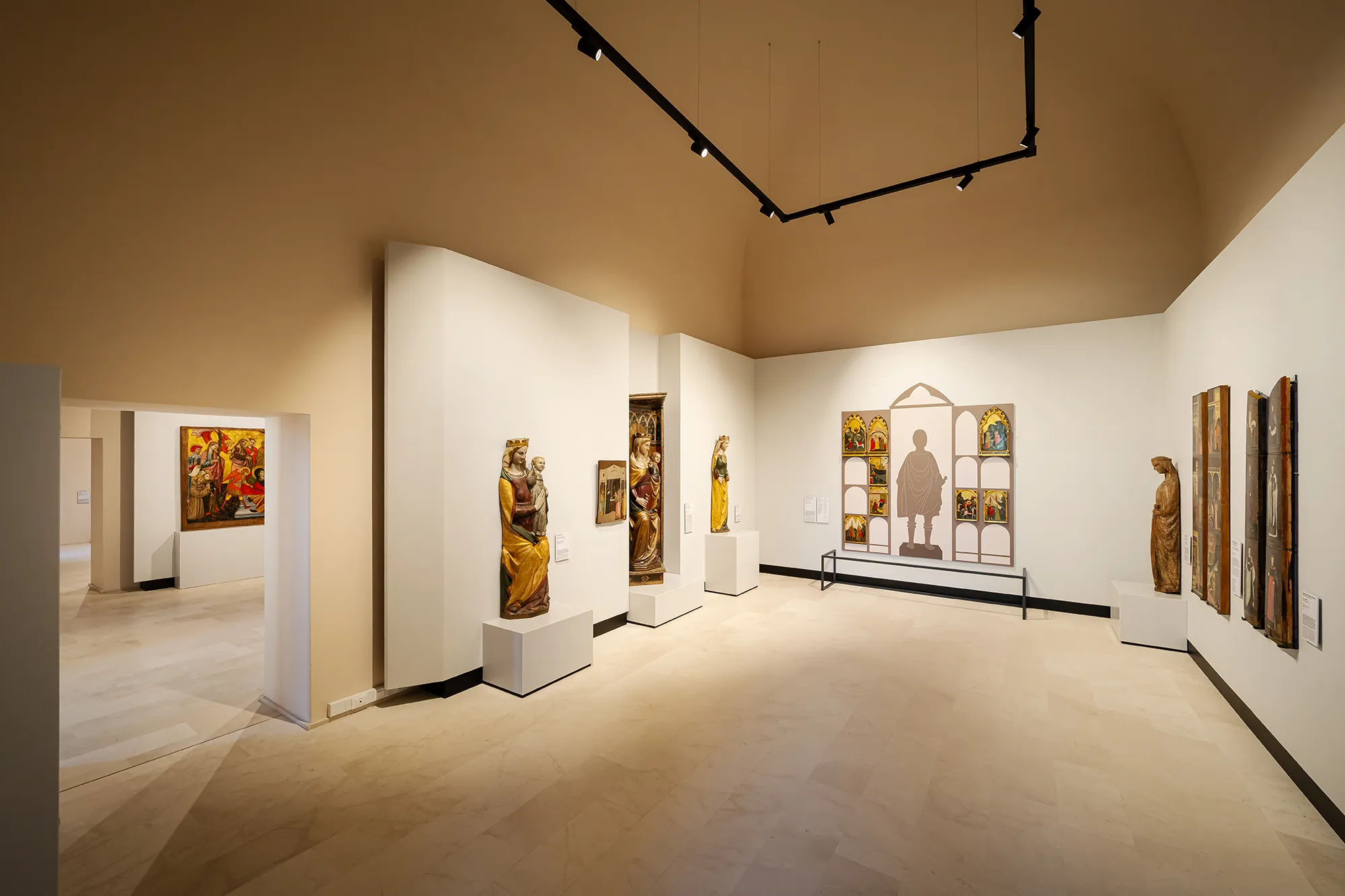
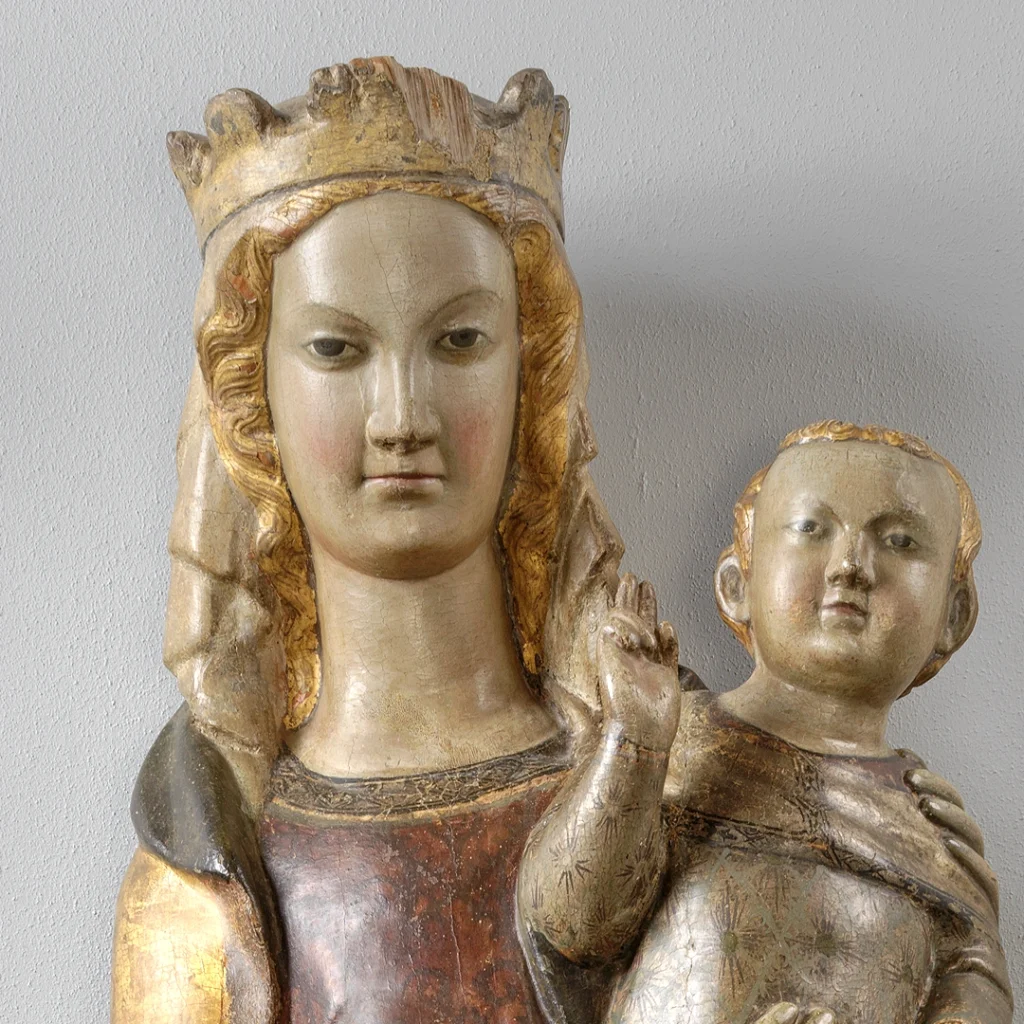
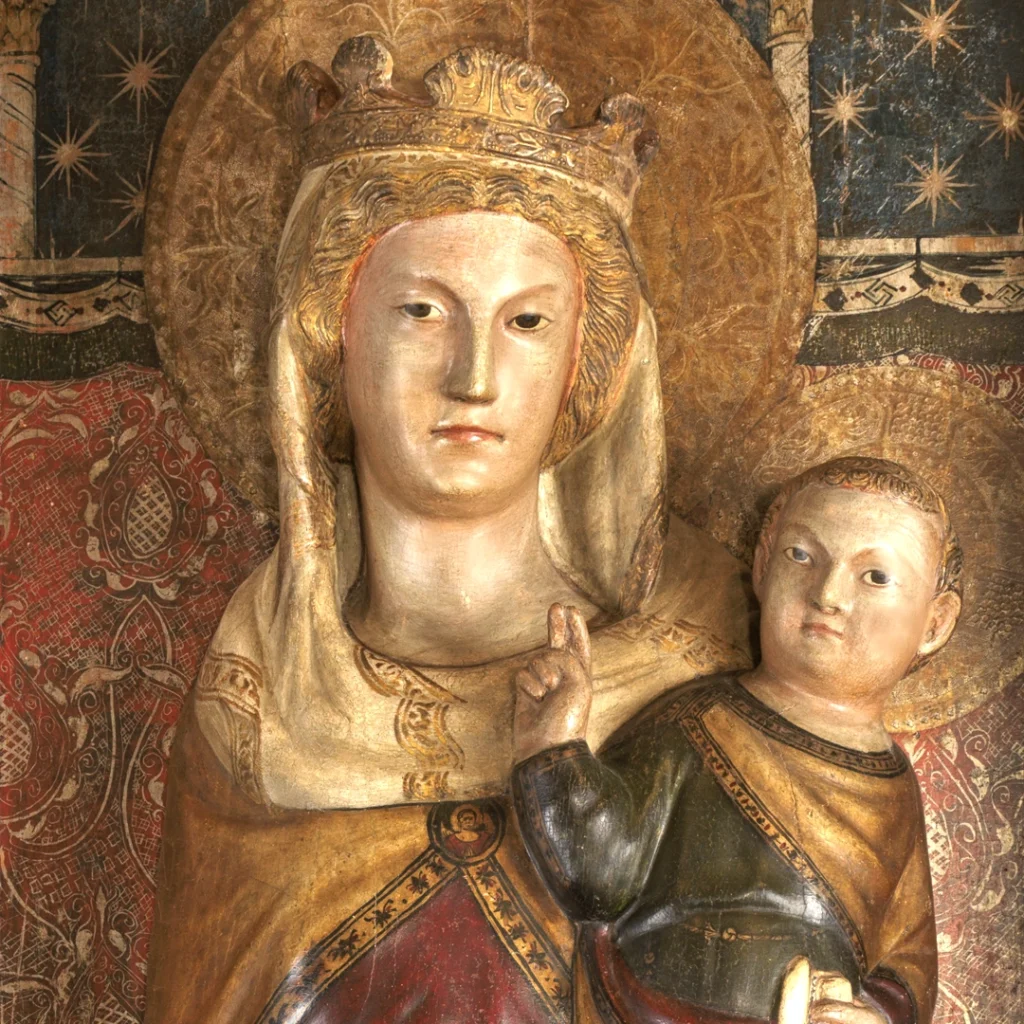
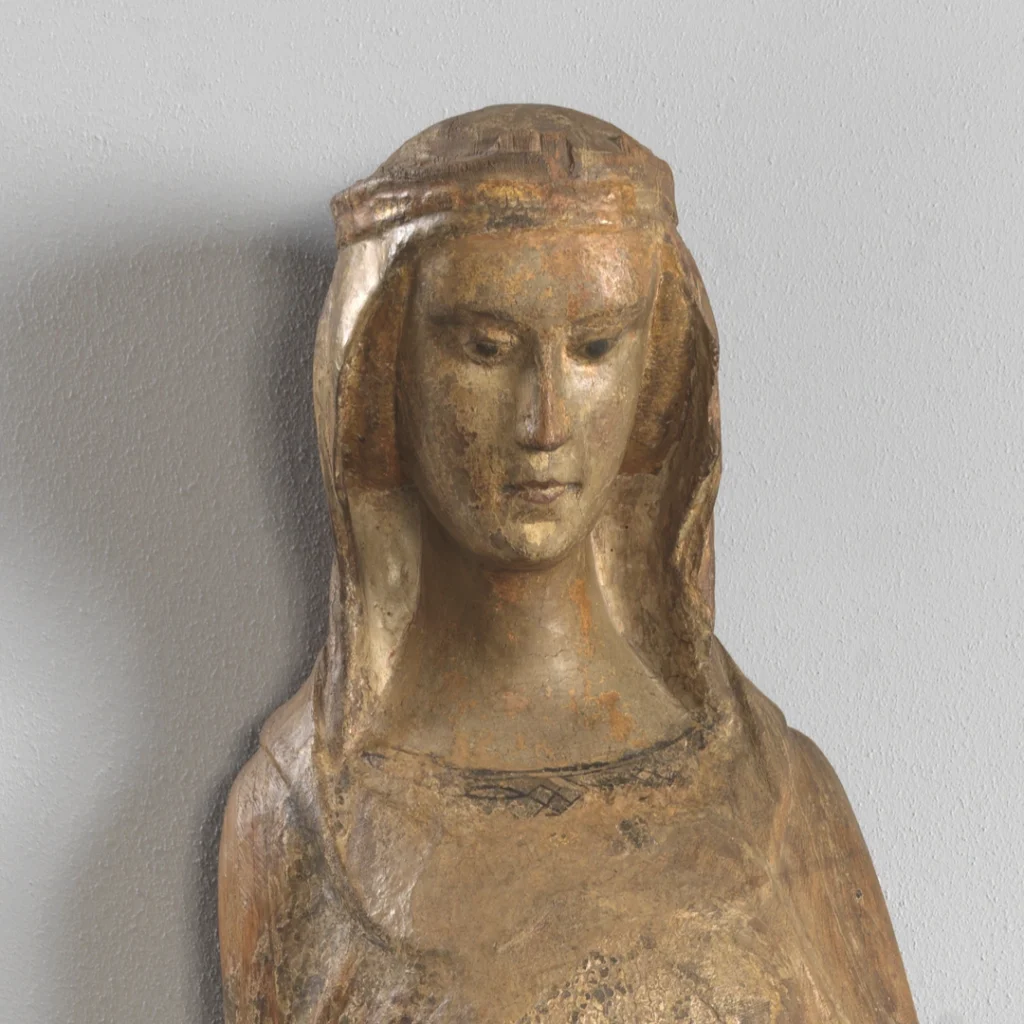
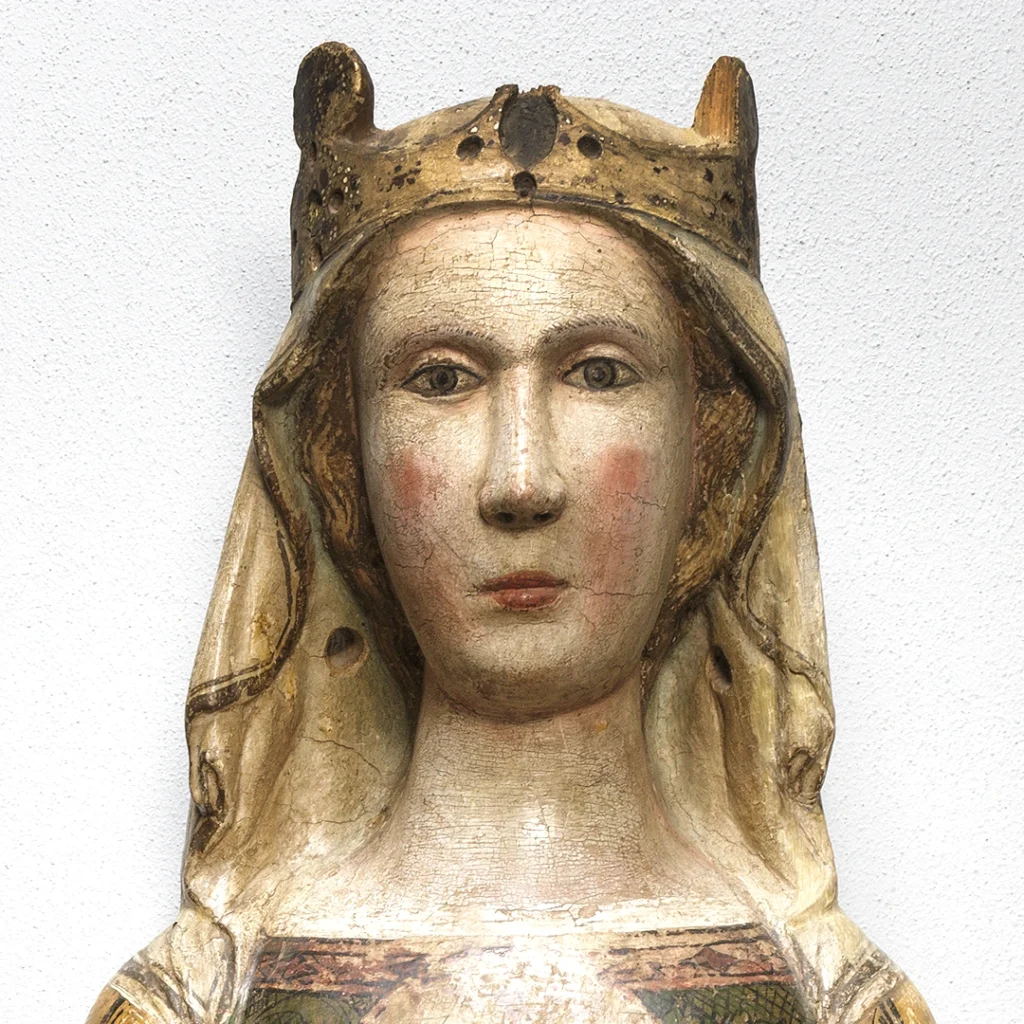
Connections with transalpine culture, already evident in earlier centuries, became increasingly prominent during the 14th century. The most striking outcomes of these exchanges — which gradually transformed imagery by introducing Gothic elements into regional art — can be seen particularly in wooden sculpture.
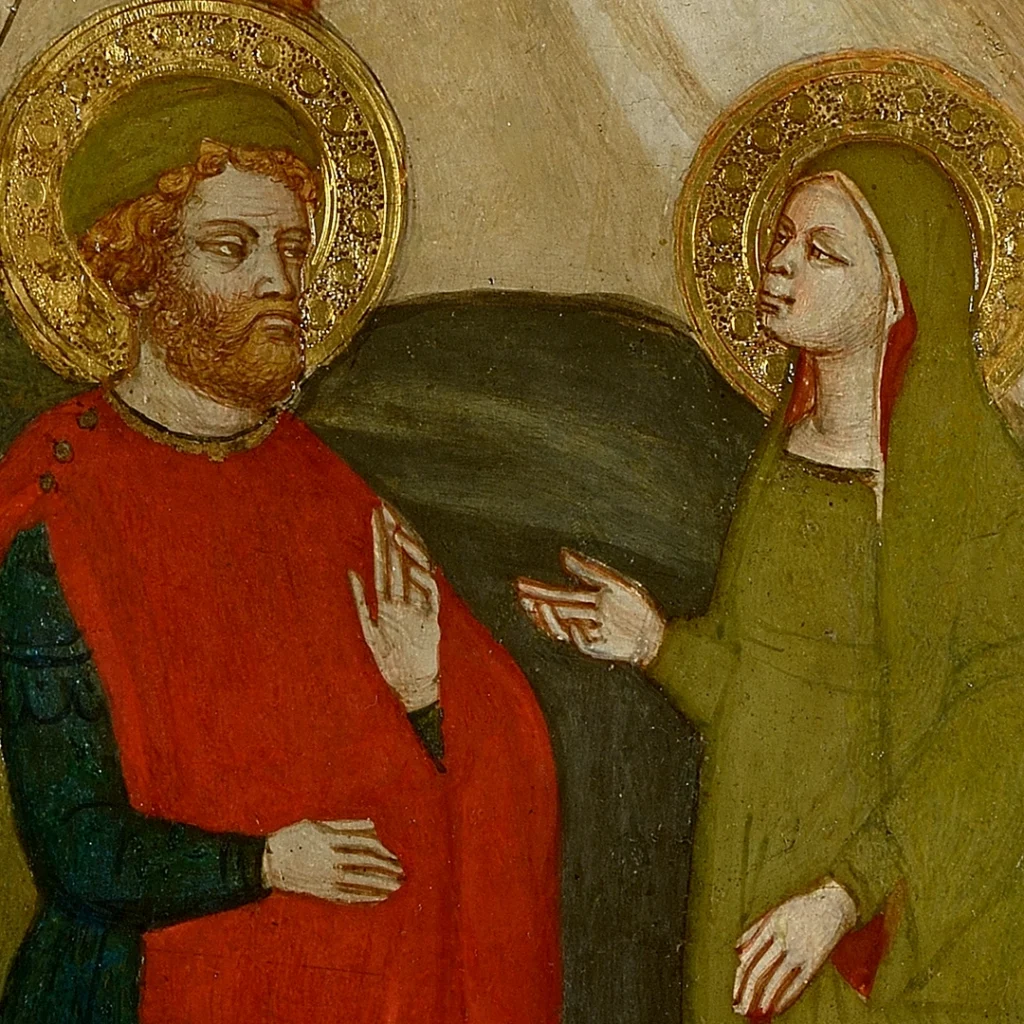
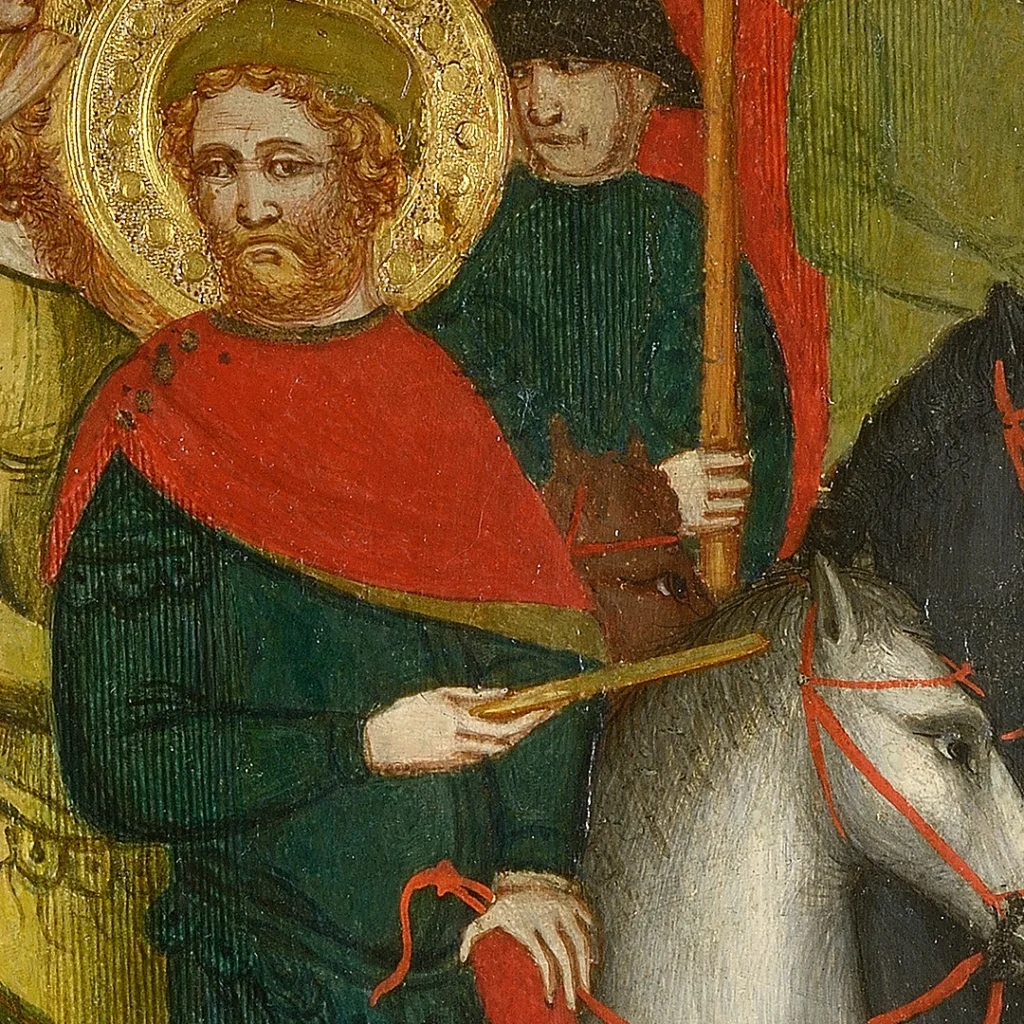
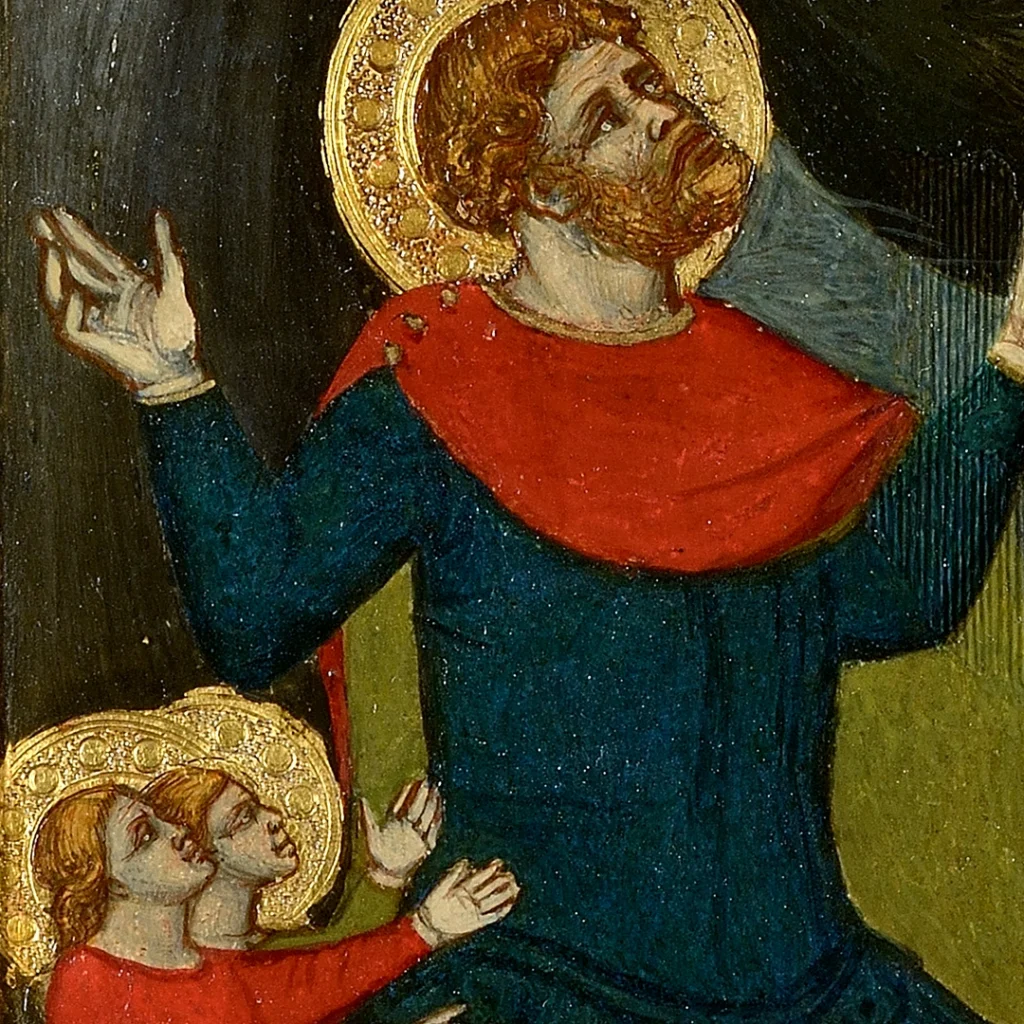
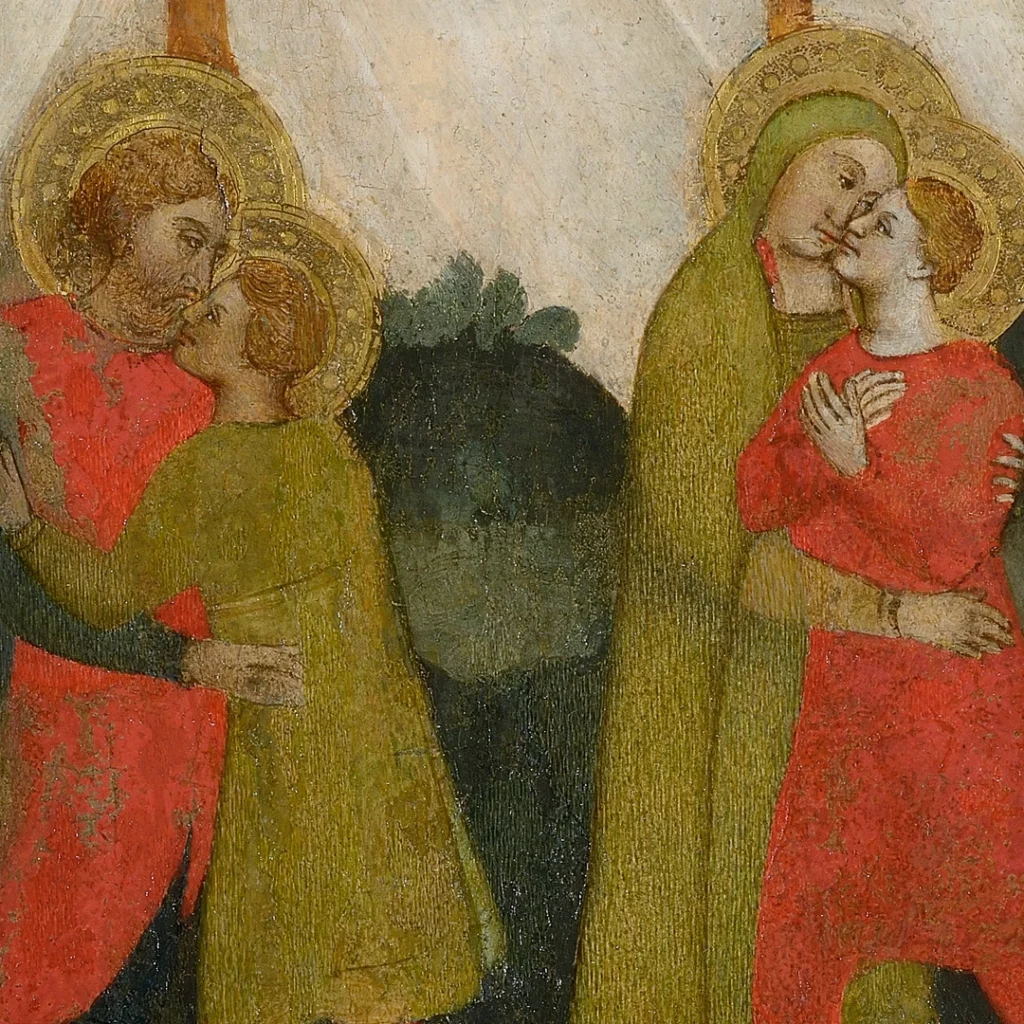
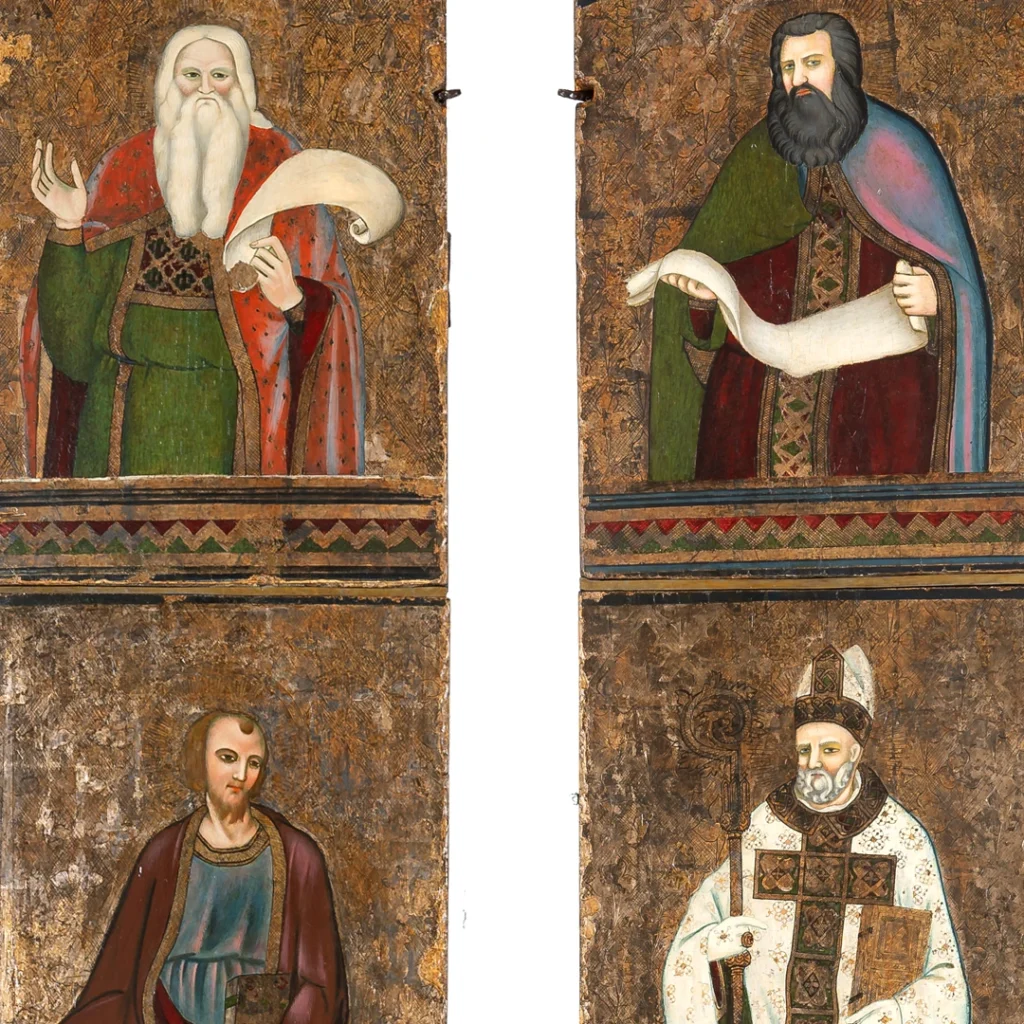
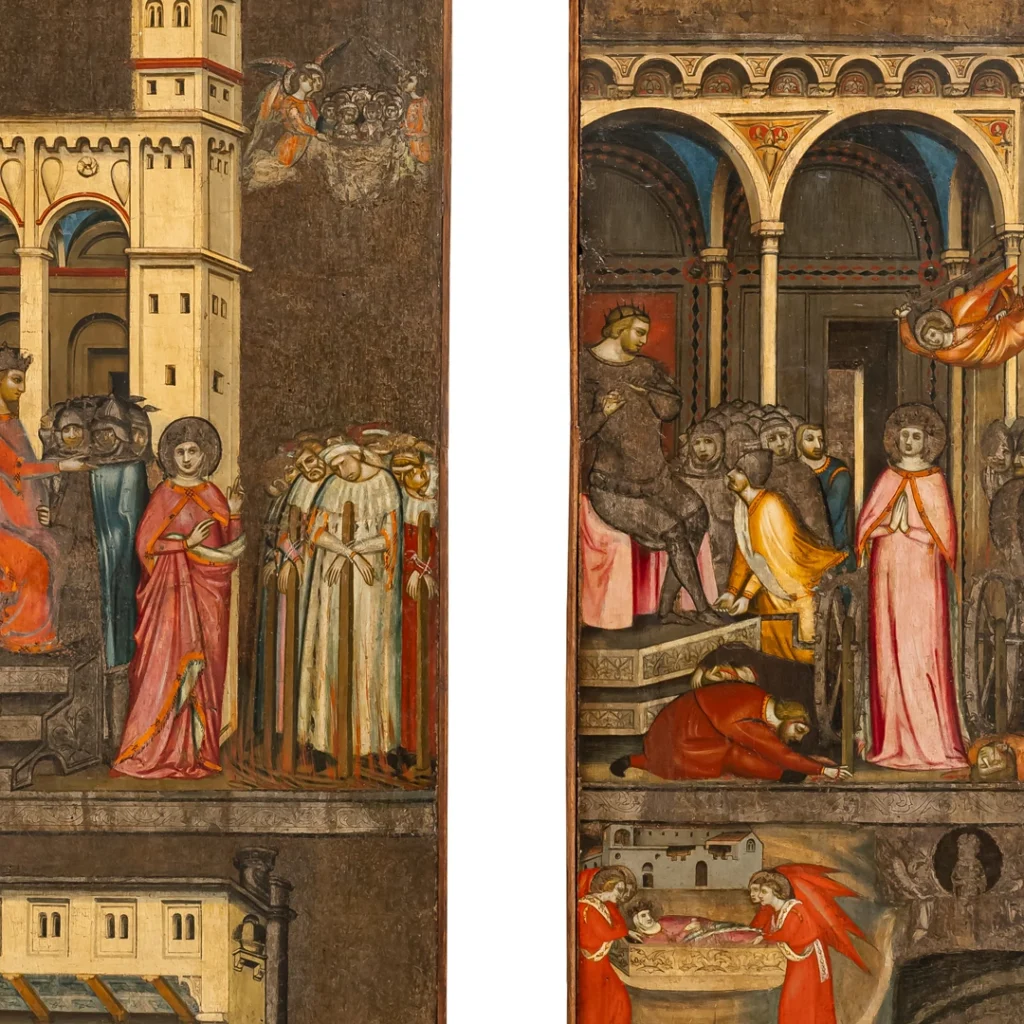
These artworks were originally housed within tabernacles: painted and sculpted shrines, widespread between the Middle Ages and the early Renaissance, which contained statues of Christian devotional figures, typically saints or the Virgin Mary. Positioned on altars, they could be opened or closed according to the liturgical calendar.
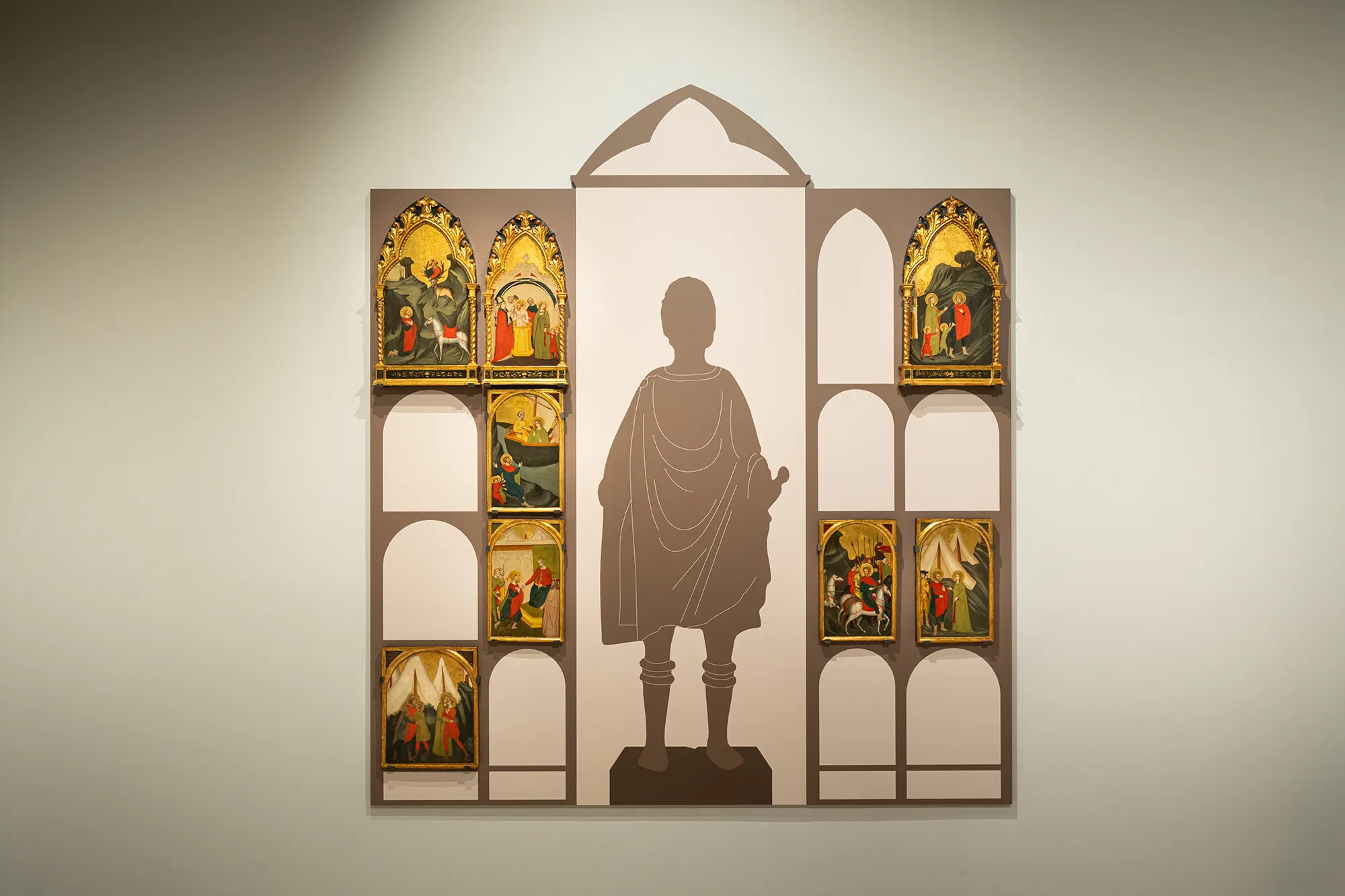
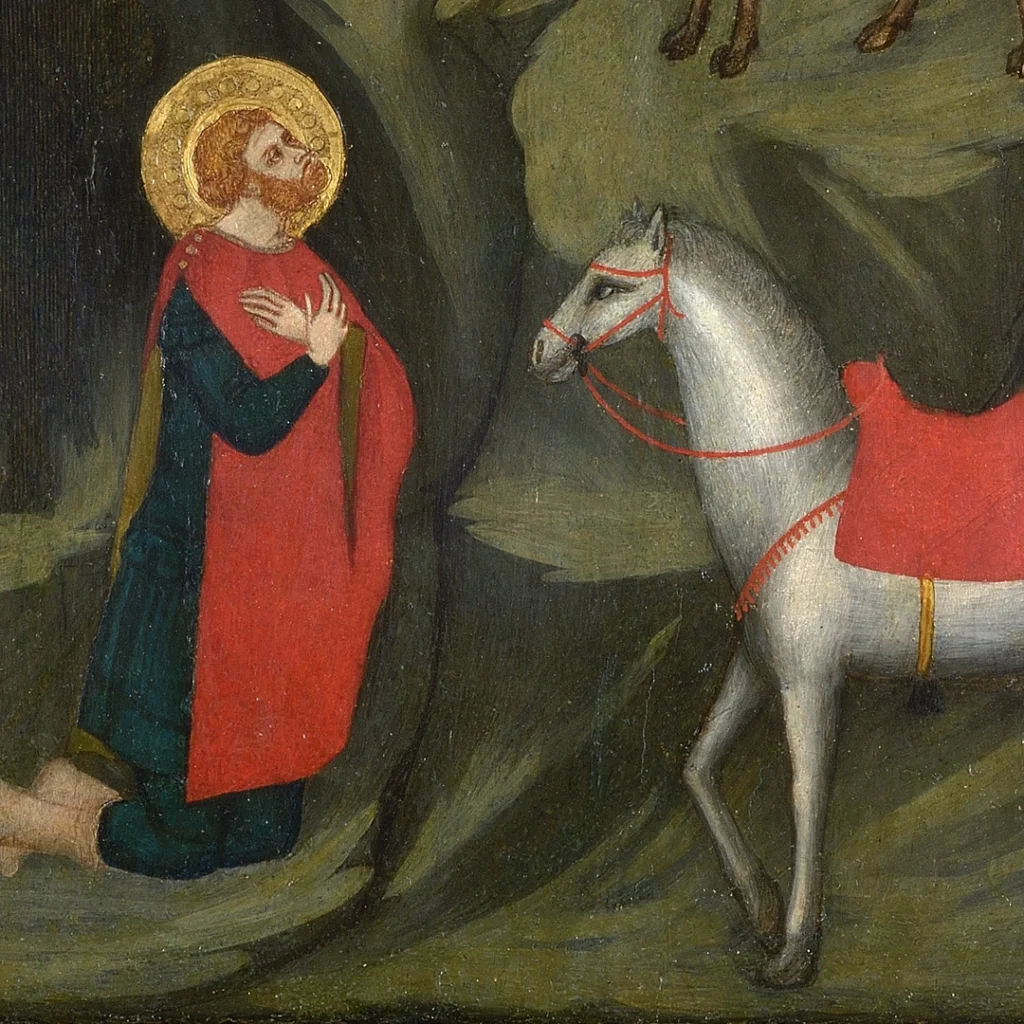
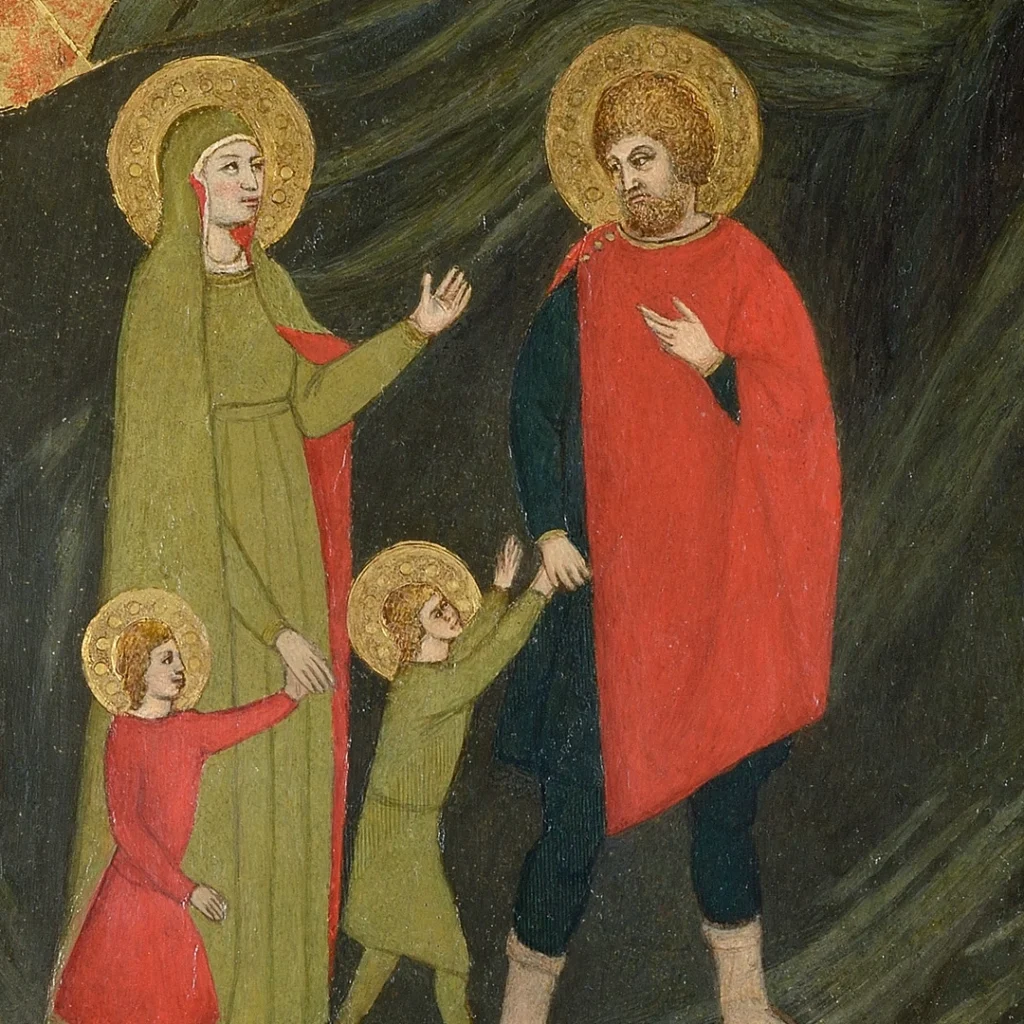
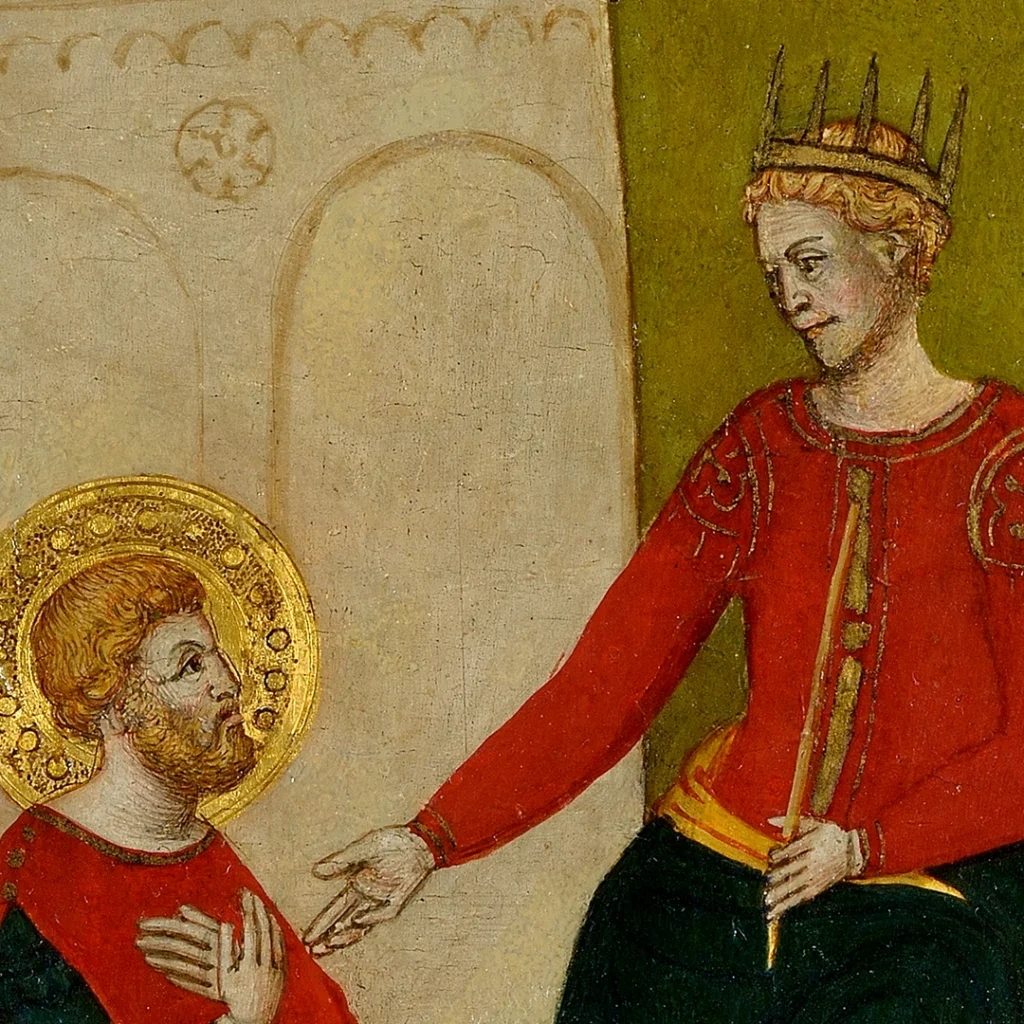
Due to the fragility of their materials — typically painted wood — or sometimes by deliberate dismantling, many of these structures have been lost or dispersed. A remarkable example of such sculptural-pictorial ensembles is the Tabernacle of Campo di Giove (L’Aquila), for which a possible reconstruction is here presented.