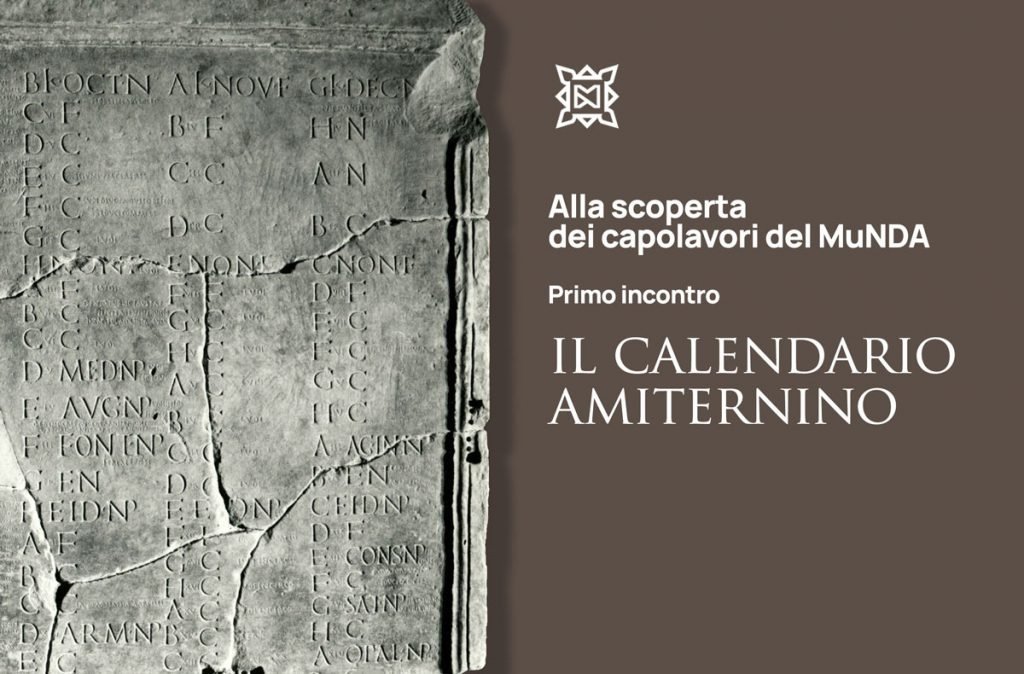
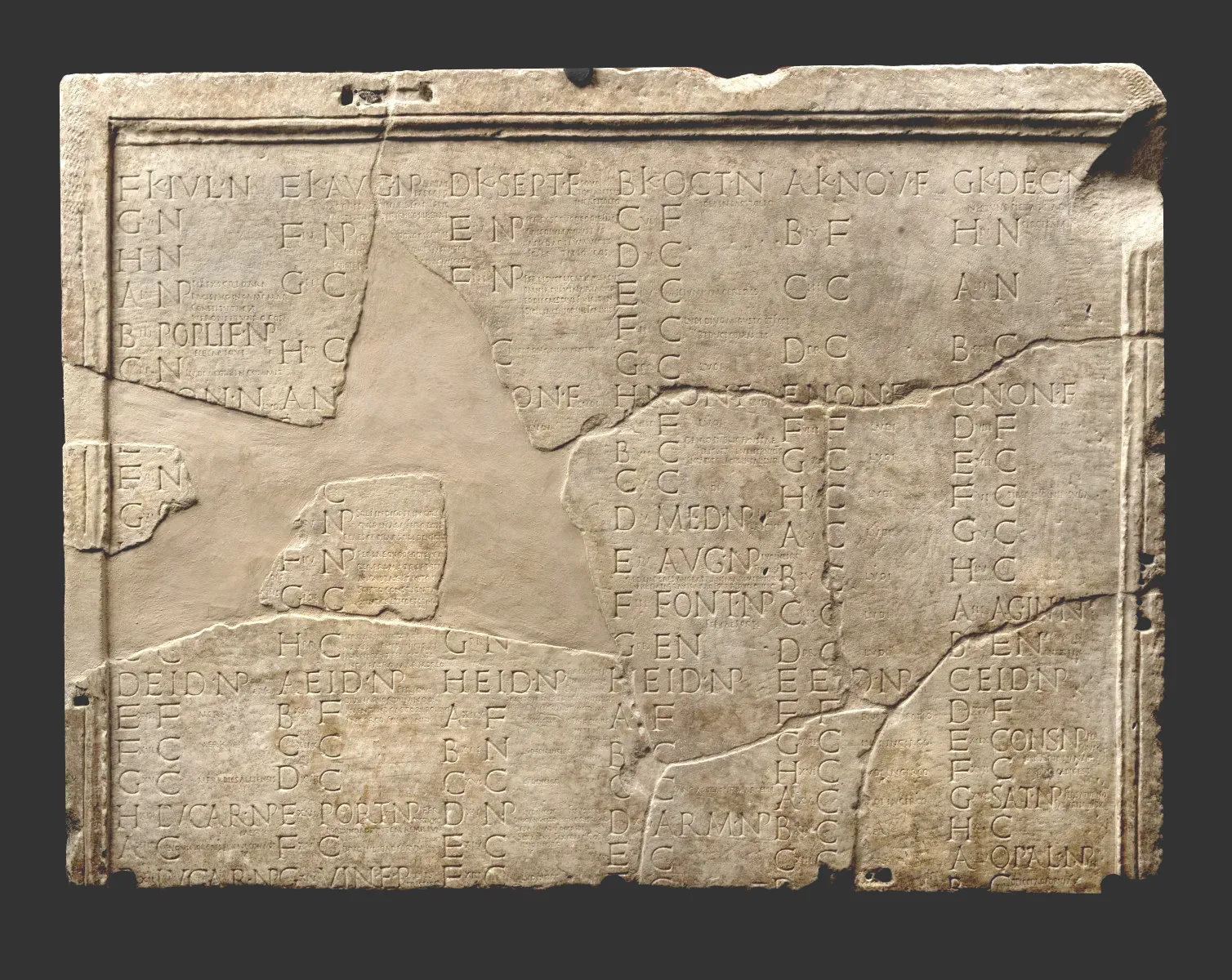
An in-depth look at the Amiternine Calendar, a precious archaeological find from the Abruzzo region, made visible through its glorious and ill-fated days thanks to the research of the National Civil Service and new explanatory panels.
The calendar, located in the most frequented and bustling area of Roman cities, the forum, not only provides a glimpse into Roman daily life but also gives voice to battles, triumphs and defeats, trade, and key events in Roman history; it commemorates the birth of Caesar and the death of Augustus, as well as their deification. Great importance was given to festivals, an expression of the indissoluble bond between religion, the state, and the land. Thus, in December, the Consualia, Saturnalia, and Opalia close the agricultural cycle, becoming a metaphor for it: first sowing, then rest, and finally dedication to the goddess of wealth to ensure the harvest.
The language of the time thus came to unify the populations of the territories, with a single rhythm, Rome as Amiterno, conveying a common identity that was the expression of that collective ego, strength and power of Roman civilization.