Description
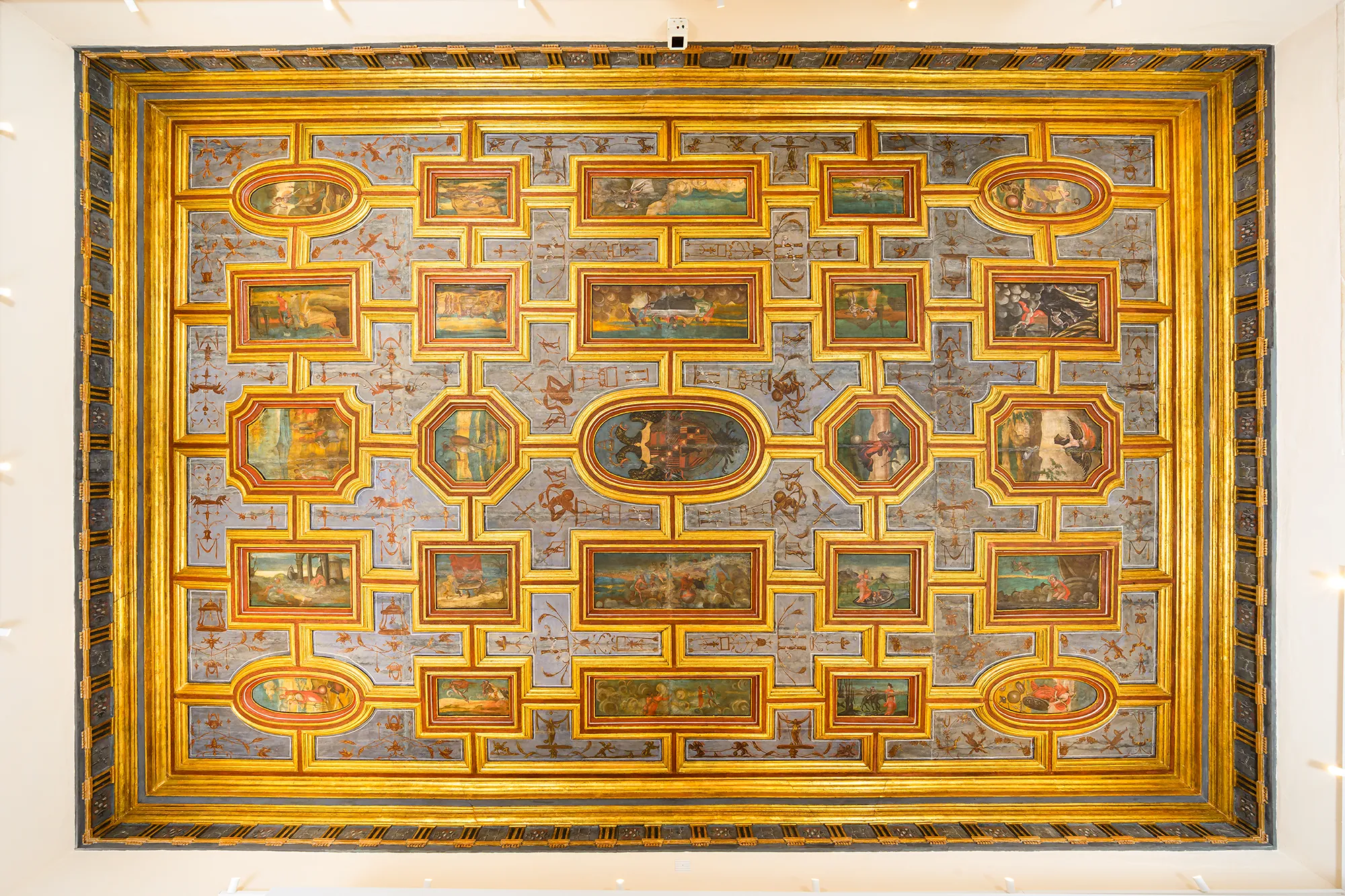
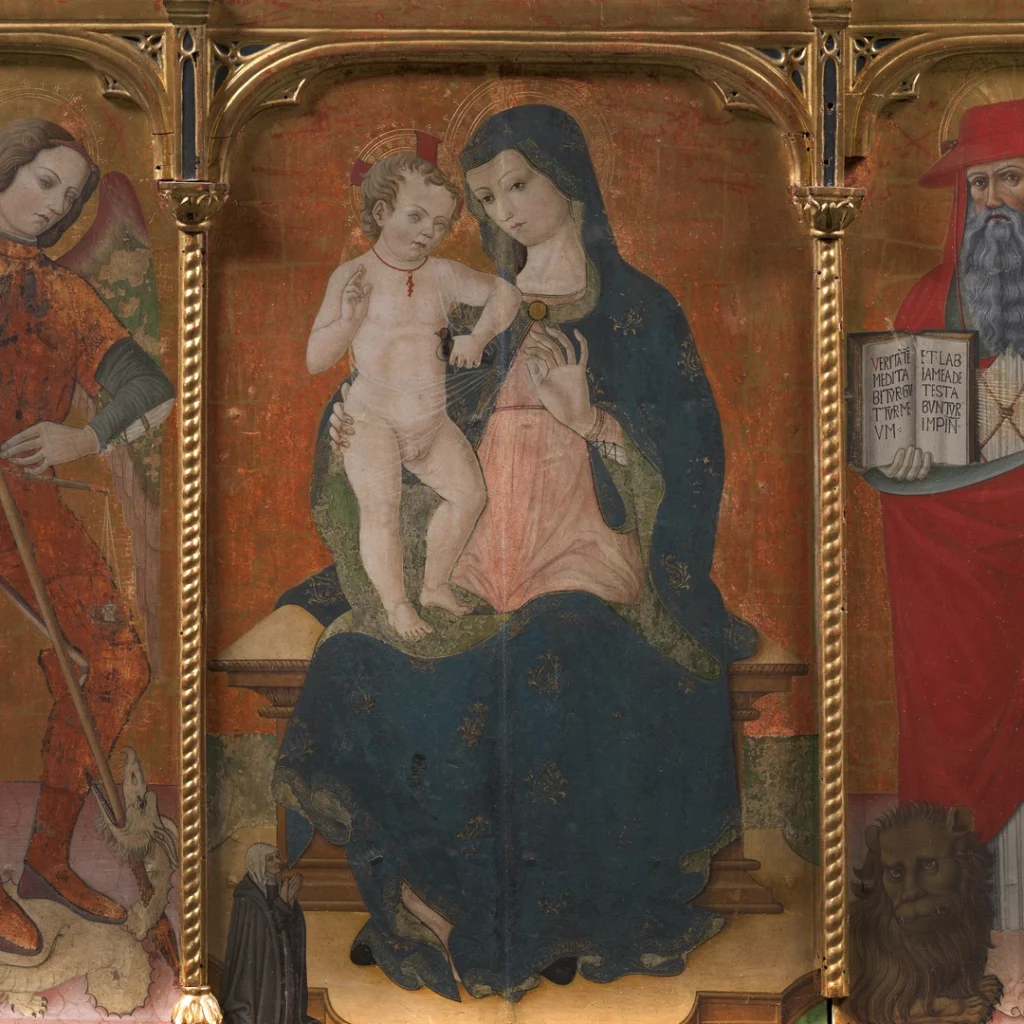
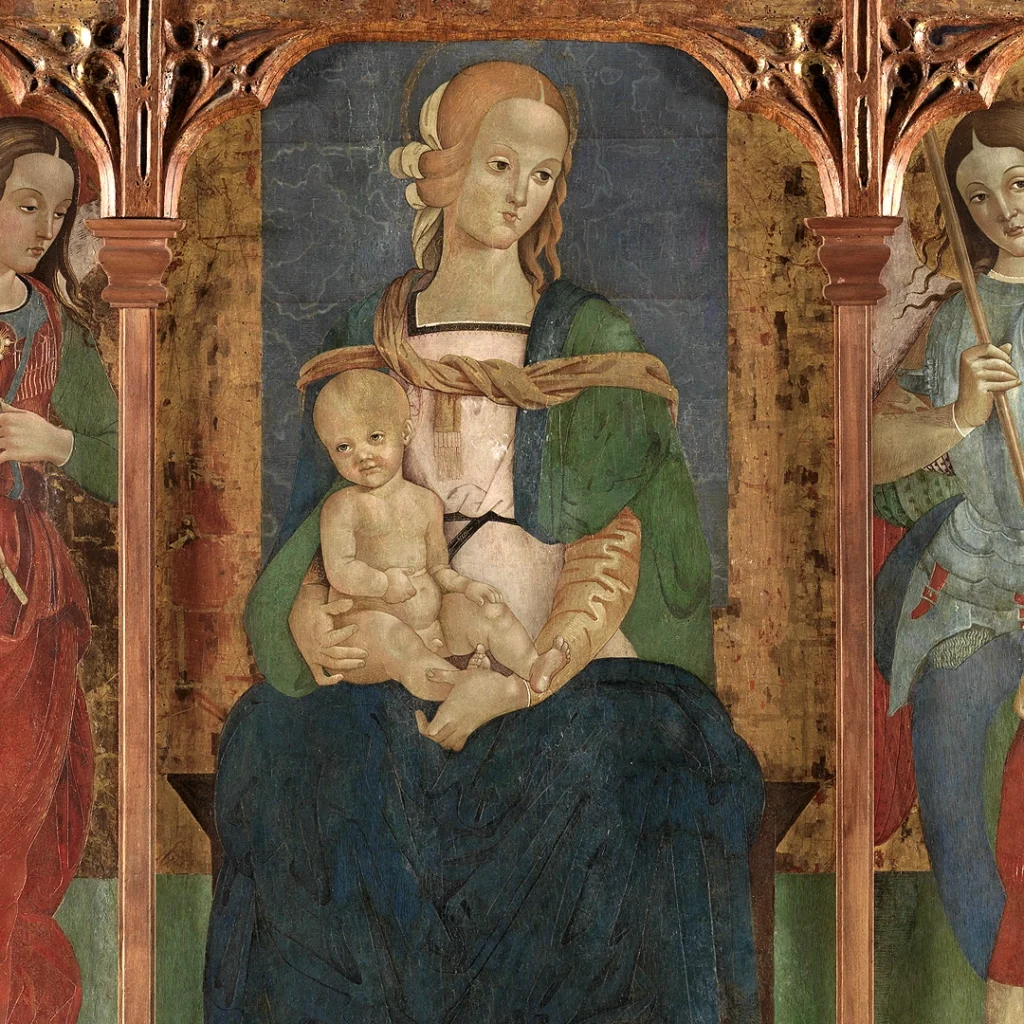
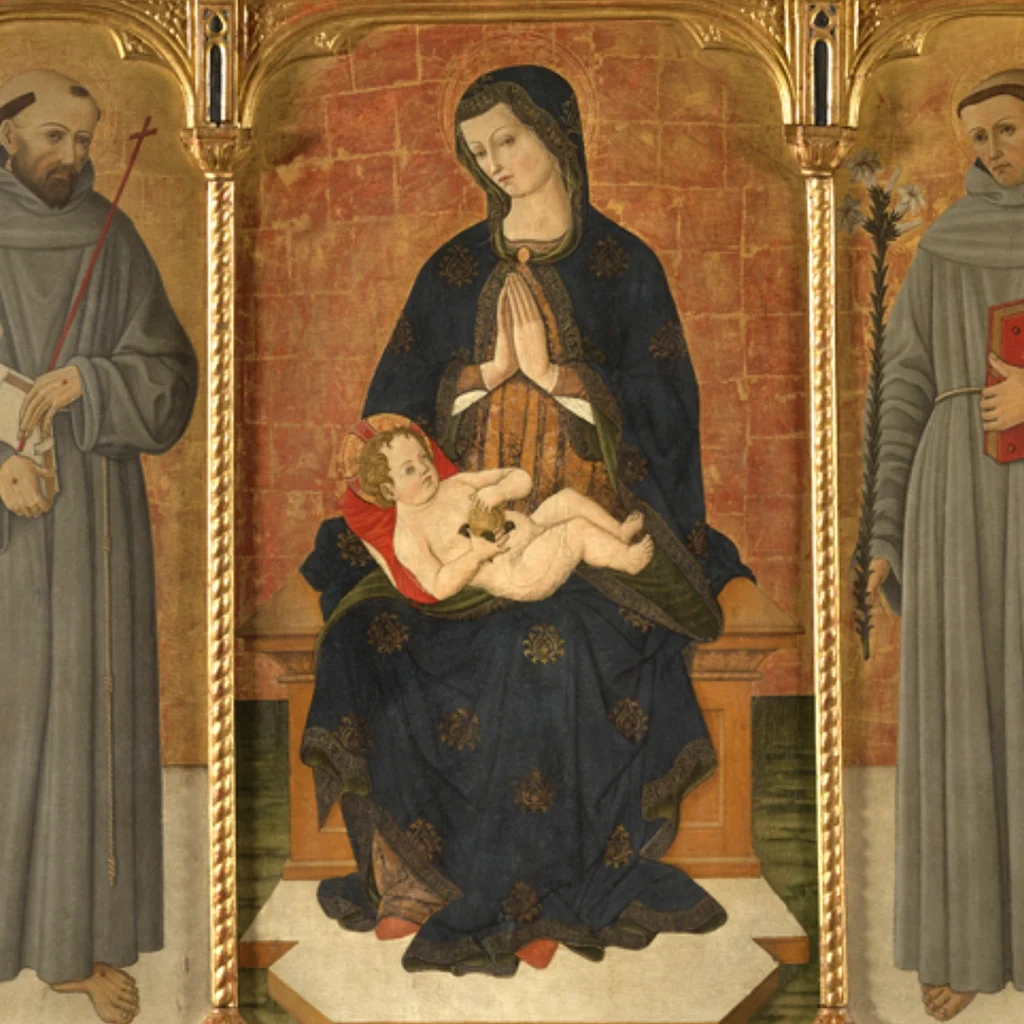
This room displays a group of 15th-century polyptychs from convents and churches across Abruzzo.
A polyptych is a painted composition made up of multiple wooden panels placed side by side, originally created to adorn an altar. The panels are held together by a self-supporting architectural frame (carpentry) made of pillars, small columns, and arches, often embellished with tracery and openwork carvings. The central panel typically features the Madonna and Child or Christ in blessing, flanked by saints and blessed figures. The horizontal section at the base, the predella, usually depicts sacred scenes or figures.
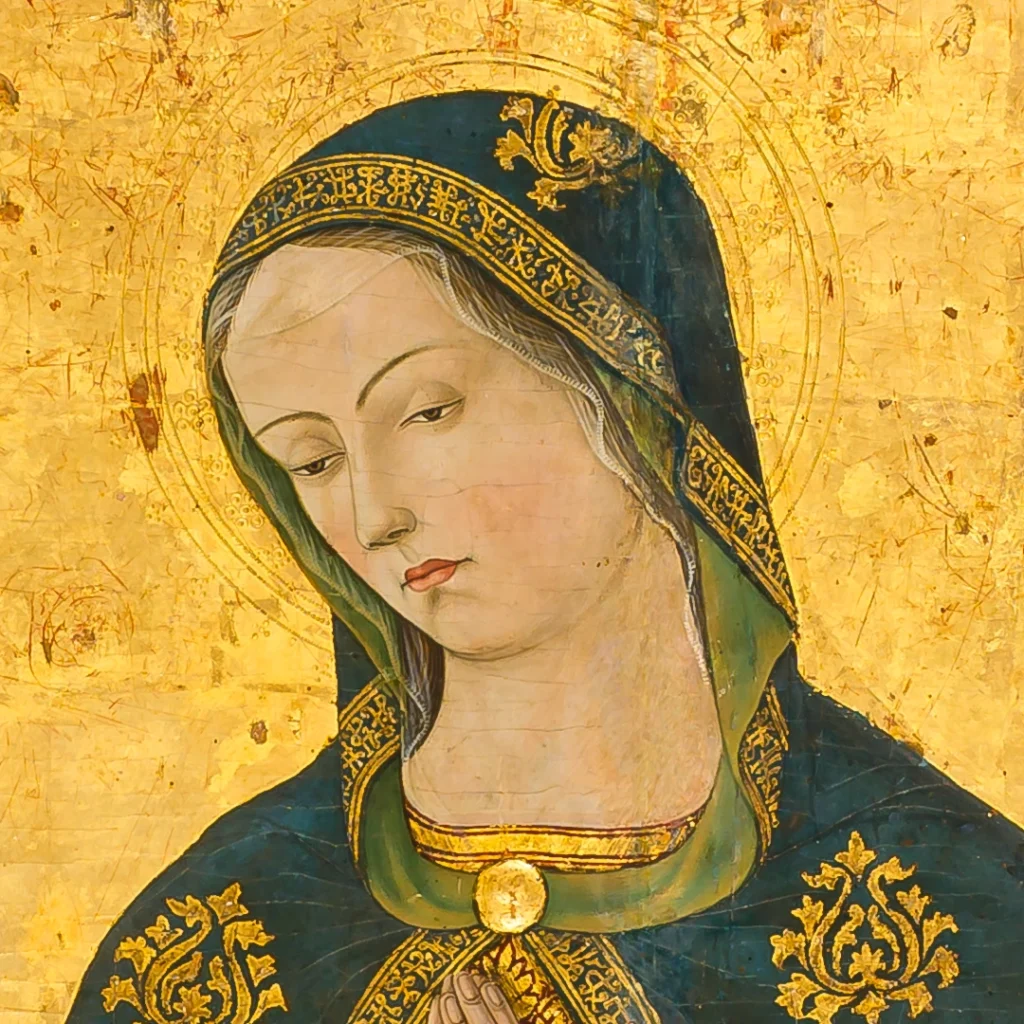
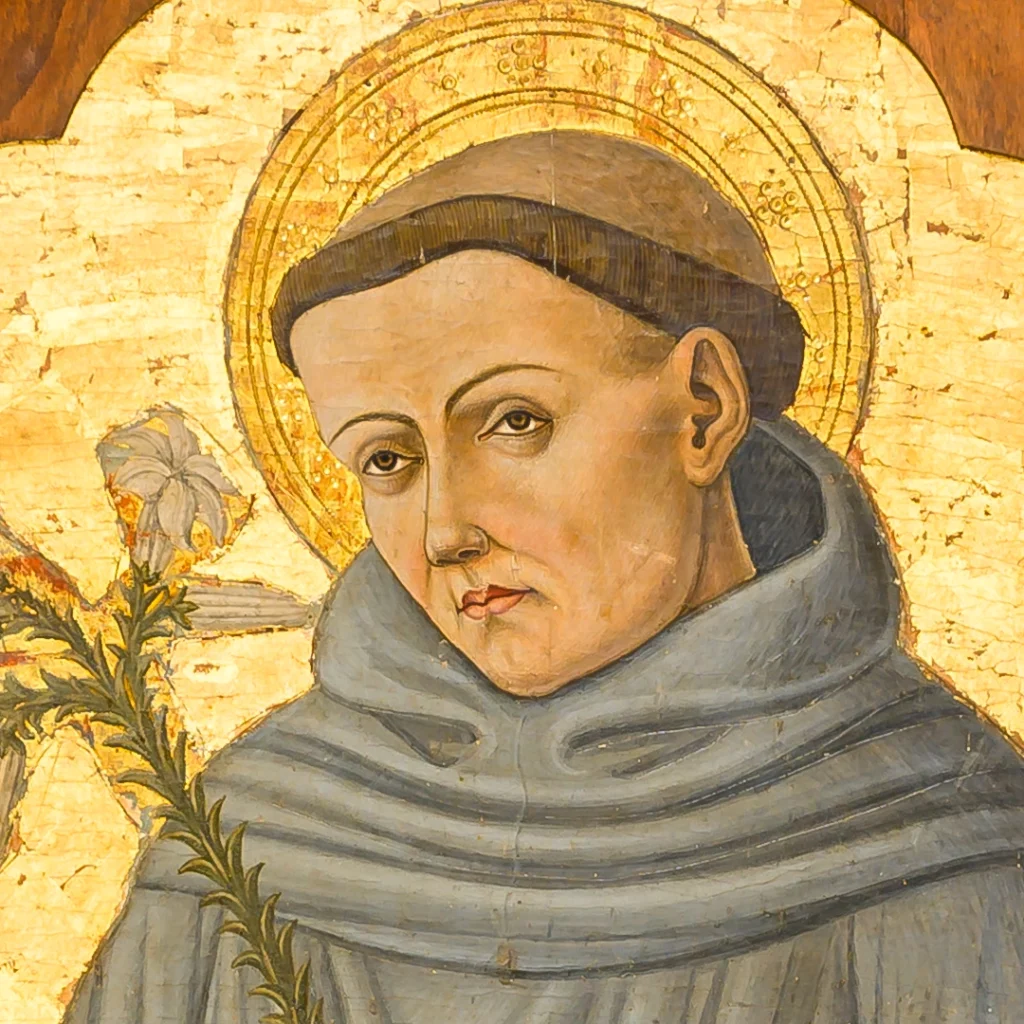
Abruzzese polyptychs are notable for their profound spiritual sensitivity—much valued by monastic orders—and for their refined aesthetic, influenced by 15th-century Florentine and Umbrian painting. The Master of the Crivellesque Polyptychs, for example, created compositions that express the ideals of Franciscan devotion, codifying the portrayal of the order’s saints in clear, recognisable images.
By the end of the century, local artistic production embraced the innovations of the Central Italian Renaissance, with more realistic figures and greater attention to light.