
Description
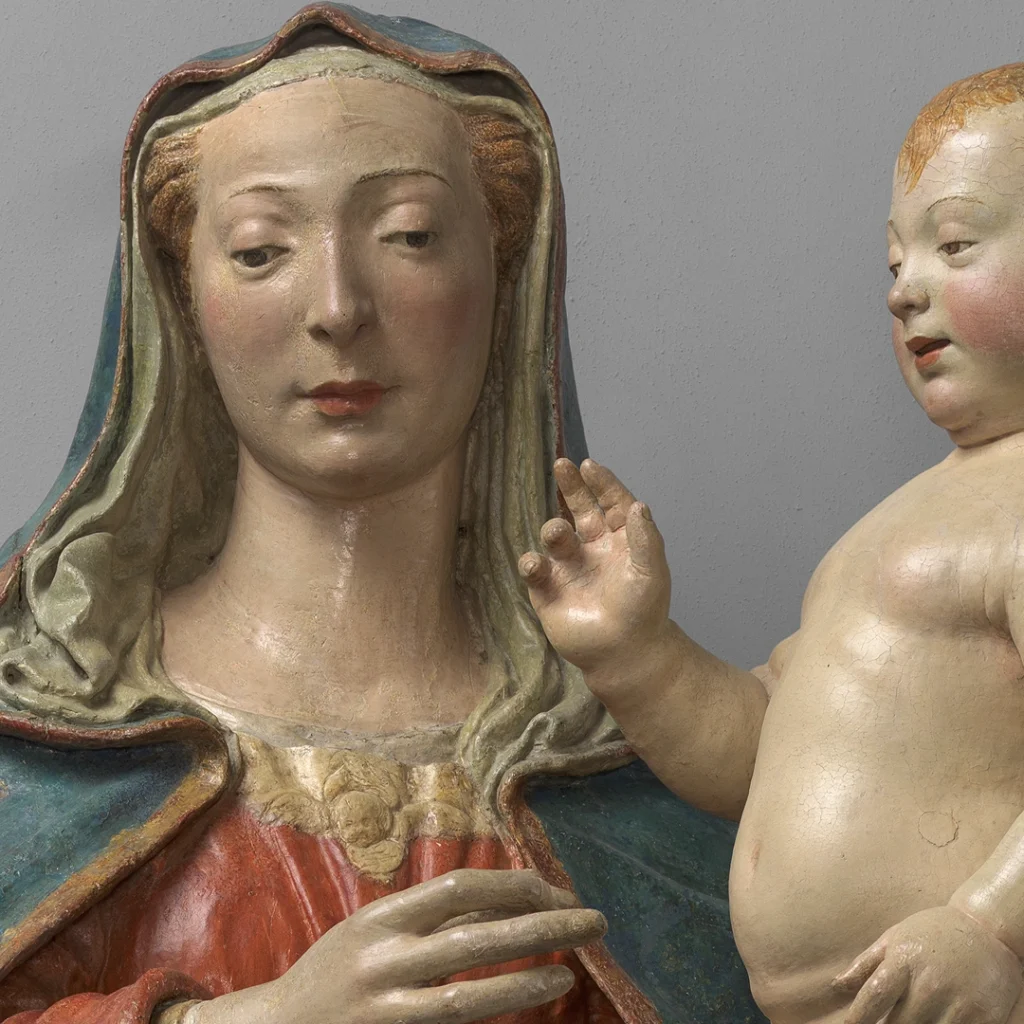
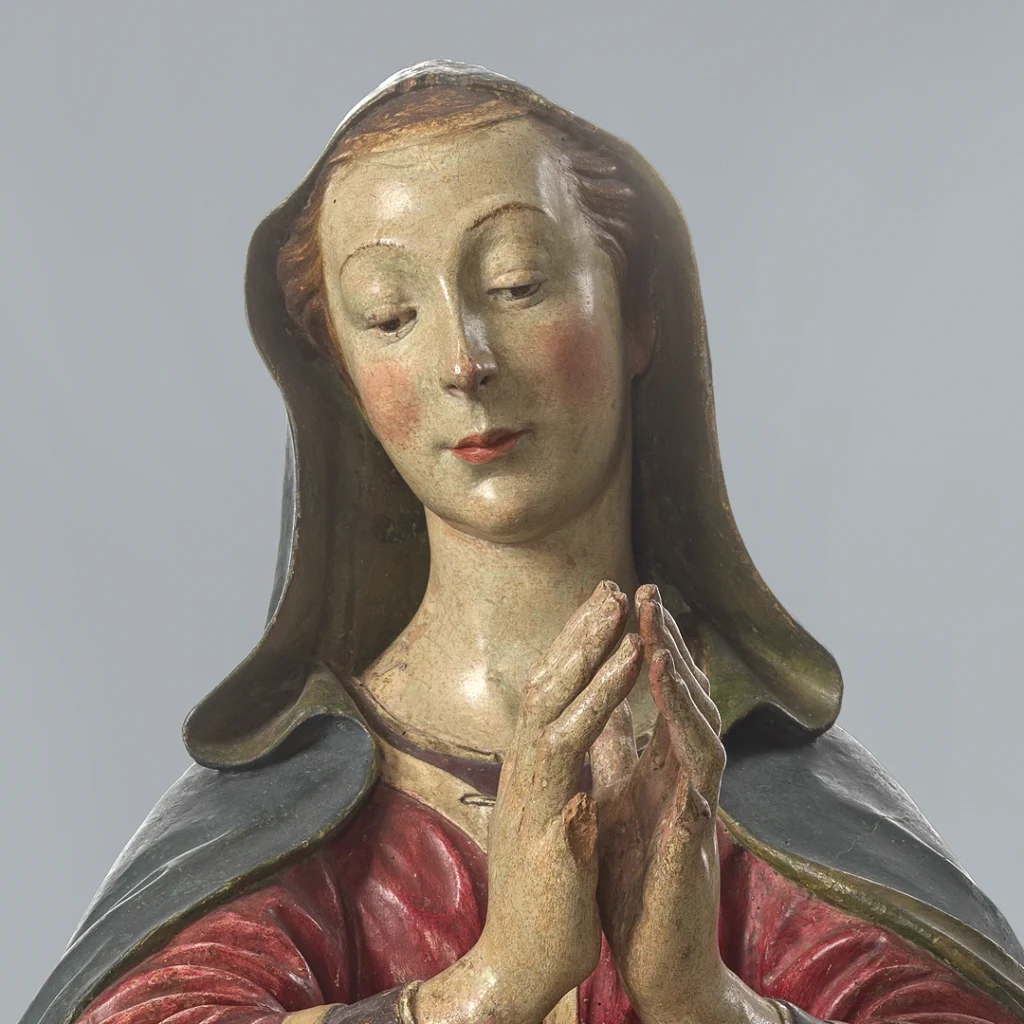
In the 15th century, L’Aquila was a crossroad of artistic exchangebetween local traditions, the Roman school, and Tuscan movements. In 1471, sculptors Giovanni di Biasuccio da Fontavignone (L’Aquila) and Silvestro dell’Aquila formed a partnership and opened a workshop in the city’s quarter of San Pietro —an event often seen as marking the beginning of the Renaissance in Abruzzo.
The Madonna and Child displayed here present sturdy drapery, sculptural volumes, accentuated gestures, devout yet intimate gazes. Giovanni’s sculpture reveals Tuscan and Florentine influences, drawn from the artworks of artists such as Desiderio da Settignano and Andrea del Verrocchio (Leonardo da Vinci’s master), absorbed through direct contact or through pieces circulating in Abruzzo in the second half of the 15th century.
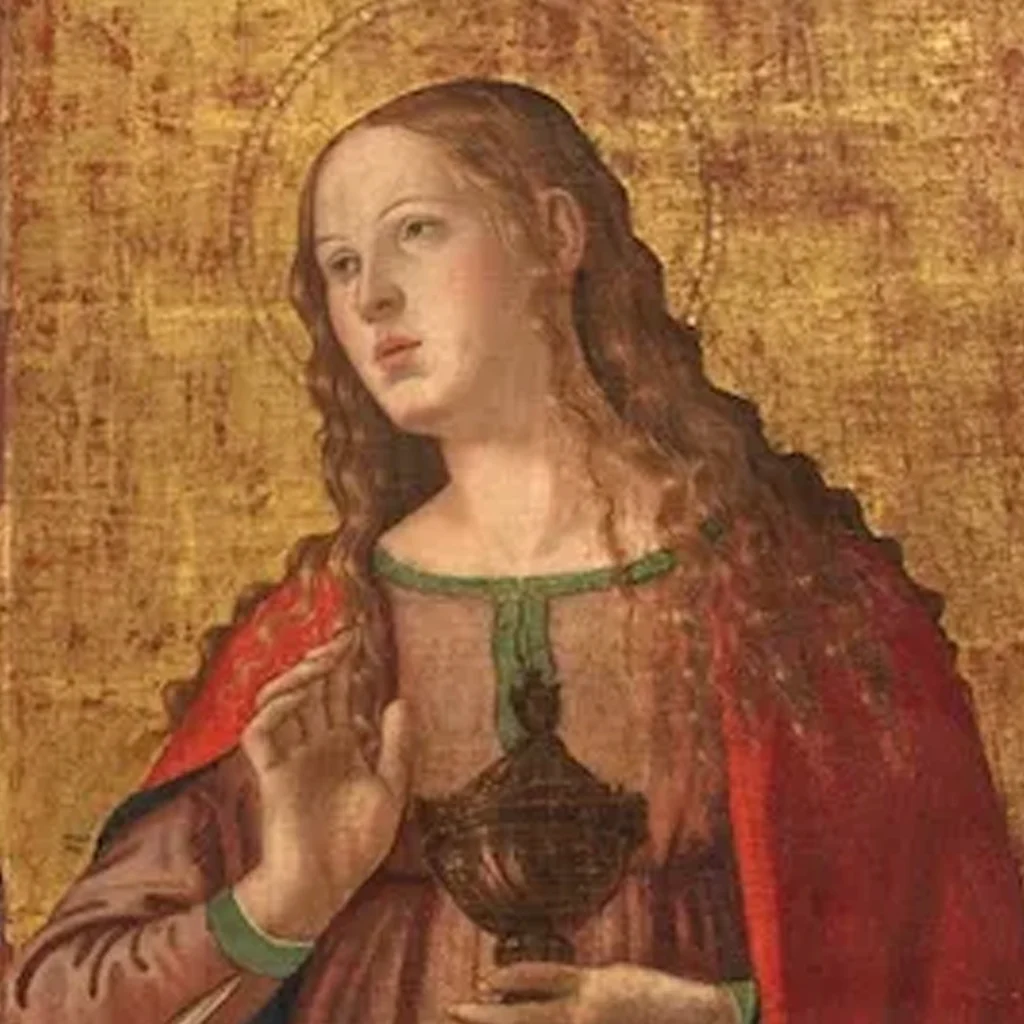
L’Aquila’s location also encouraged strong ties with Rome and central Italy, making the local artistic scene receptive to broader influences—especially those of the leading 15th-century painter from Lazio, Antoniazzo Romano. The triptych on display here, from the Dragonetti-De Torres collection in L’Aquila, is attributed to this artist.