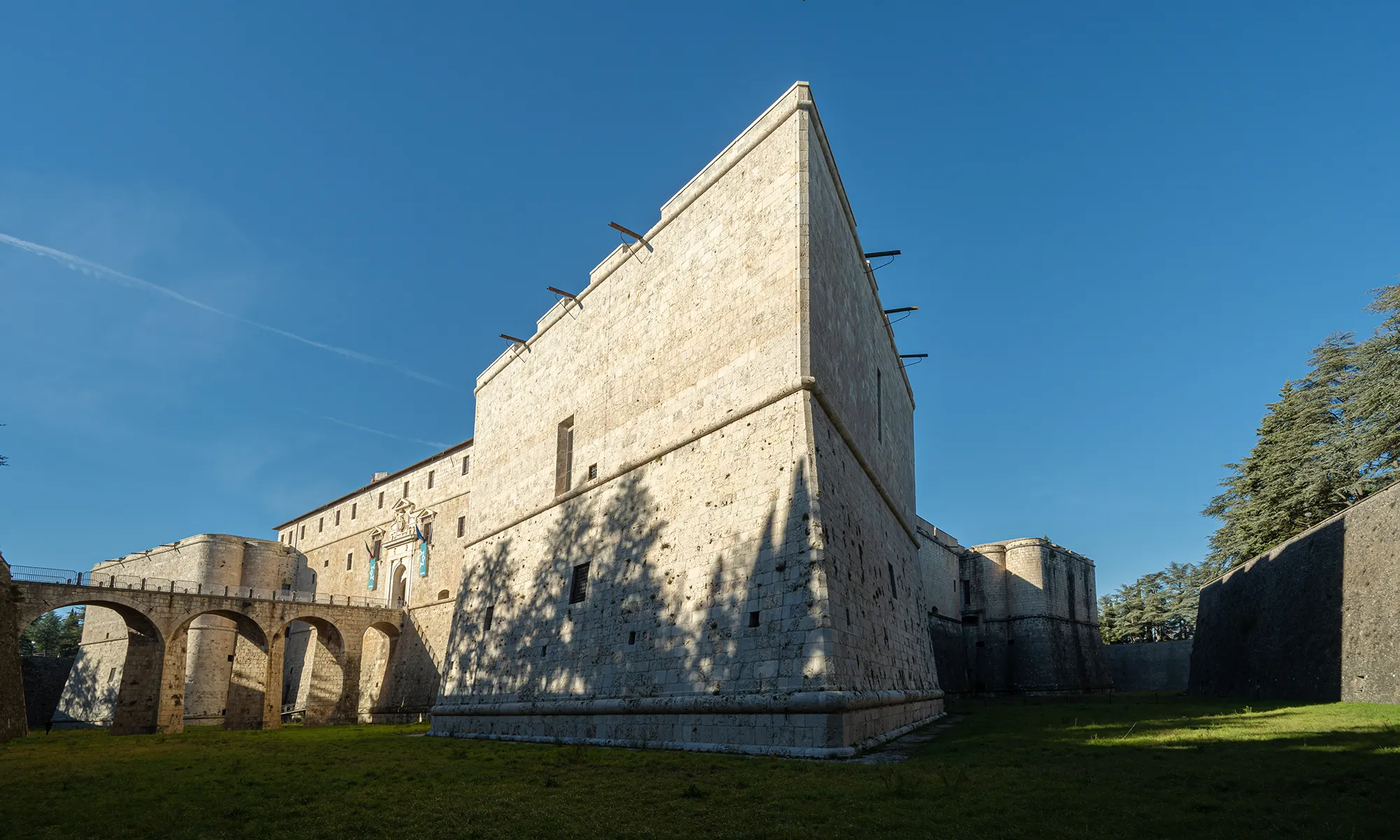
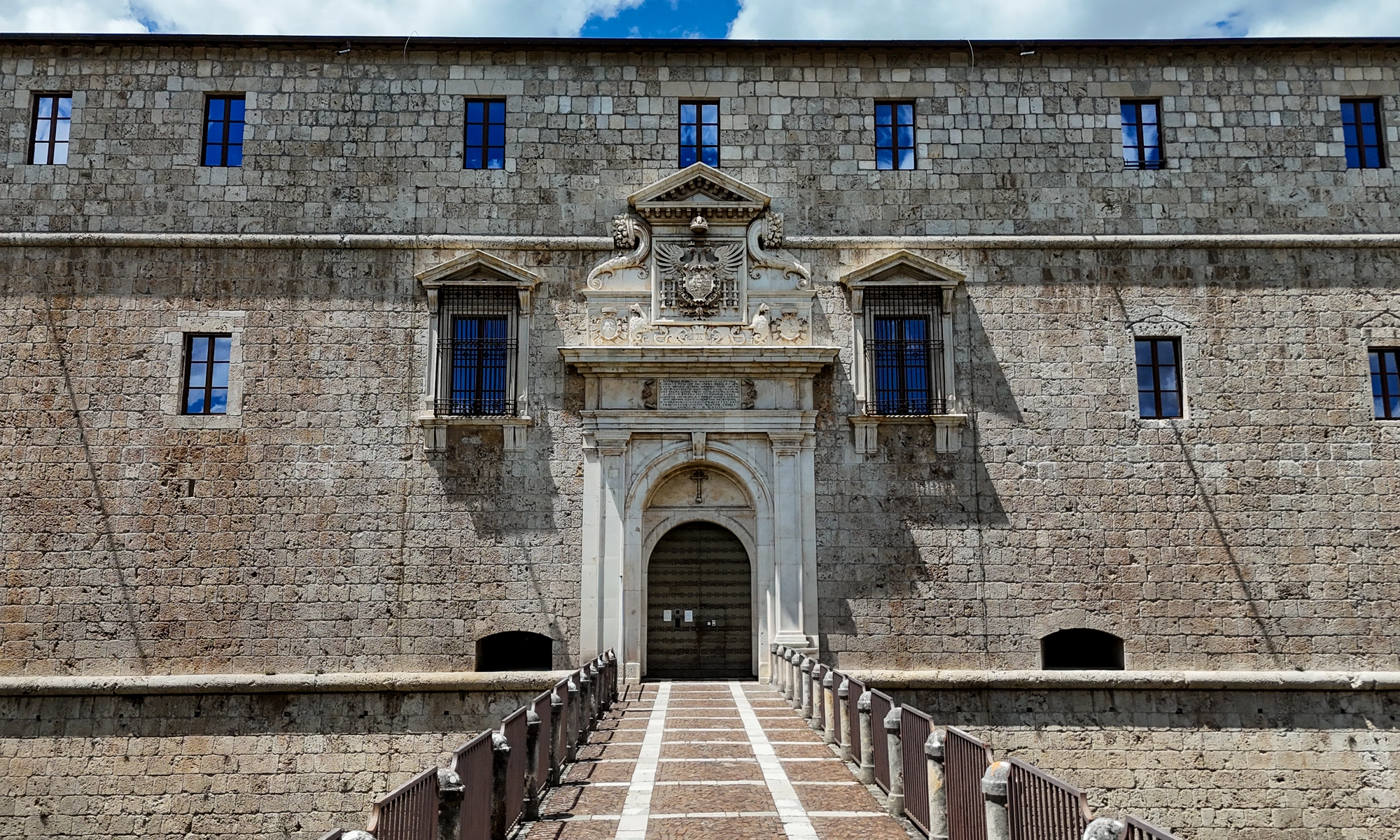
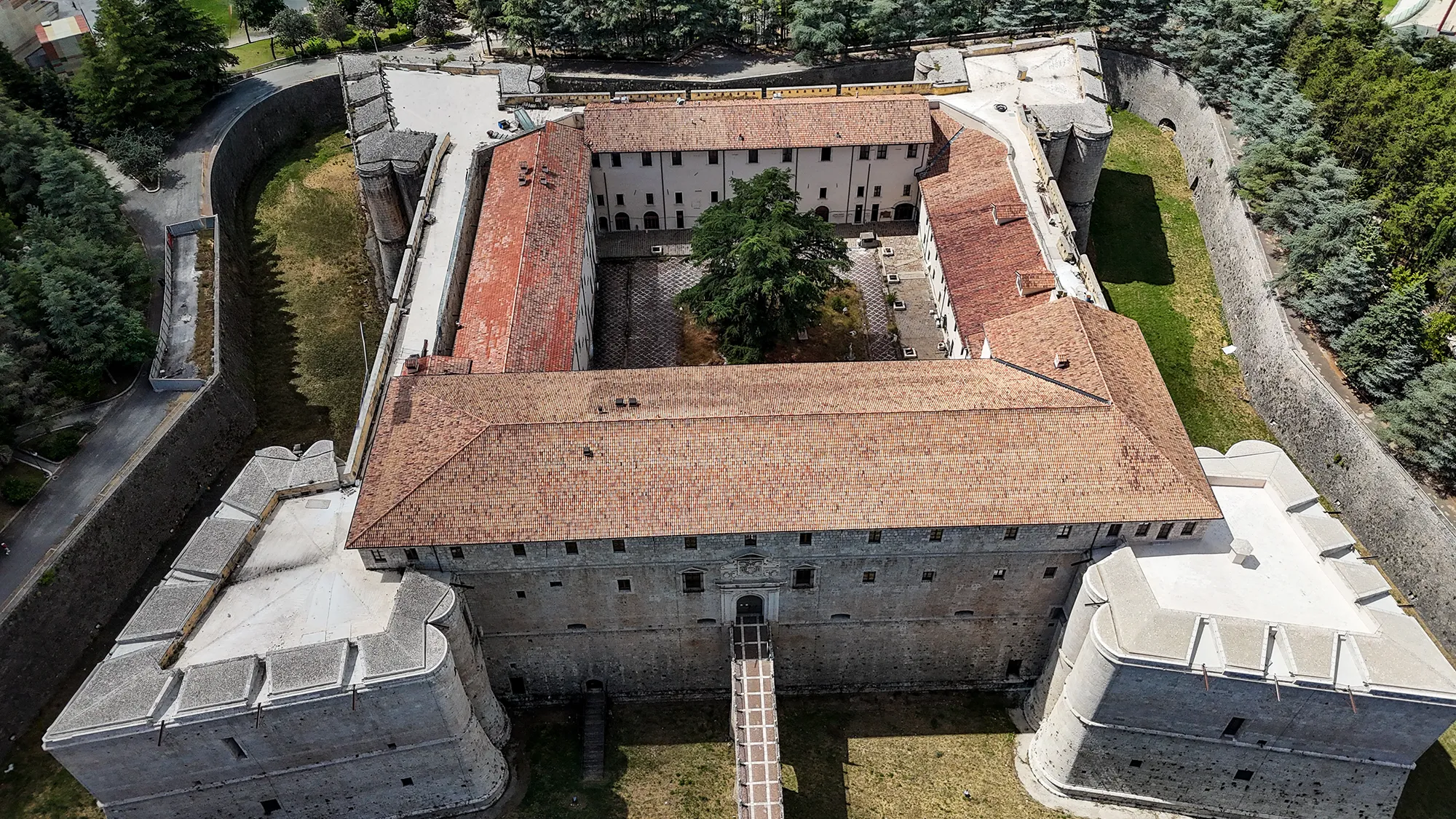
On 20 December 2025, the renovated headquarters of the Museo Nazionale d’Abruzzo – MUNDA will open to the public in the Castello Cinquecentesco dell’Aquila, a symbol of the city and a treasure trove of regional artistic memory.
More than sixteen years after the earthquake of 6 April 2009, a significant portion of the collections will finally return “home” to the spaces on the ground floor and first floor of the southeastern quarter of the Castle.
These spaces were handed over to the museum in June 2025 by the former Regional Secretariat for Abruzzo, which oversaw the complex consolidation and restoration work that began in 2016. The delivery of this first part has allowed MUNDA to proceed with the museological project, which involved this section with the new museographic display of 98 works.
The Special Office for the Reconstruction of L’Aquila supported the museum in the approval phases of the executive project and in managing the tender process, acting as the contracting authority and overseeing the installation work. This cements a fruitful collaboration with MUNDA, which demonstrates the commitment of various local institutions and organisations and will see further developments in the future. In this regard, the contribution of the Cassa di Risparmio dell’Aquila Foundation is noteworthy, co-financing the screens used on the impressive Touch Wall on the first floor, 3,5 meters long and 1,2 meters high.
The director, Salvatore Duilio Provenzano, Head of the Special Office for the Reconstruction of L’Aquila, the Mayor of L’Aquila Pierluigi Biondi, the President of the Abruzzo Region Marco Marsilio and the General Director of Museums of the Ministry of Culture Massimo Osanna attended the presentation to the authorities and the press on 19 December.
“The return of the Museo Nazionale d’Abruzzo to the Castello Cinquecentesco dell’Aquila,” commented Massimo Osanna, Director General of Museums, “represents a step of great symbolic and cultural significance: not only the return of a museum to its historic home, but the tangible sign of a reconstruction process that has placed heritage at the center as a public asset, a tool for knowledge, and a factor of community cohesion. The new exhibition is the result of a long and complex process that combined research, restoration, and museographic design, restoring accessibility to collections whose relationship with the museum and the public was profoundly affected by the tragic events of 2009. This extraordinary fortress today returns to being a vibrant, dynamic cultural center, capable of speaking to all audiences, while also becoming a symbol of rebirth and resilience for the entire community.”
The reopening of these spaces is part of a broader vision that the Directorate-General of Museums is advancing across the country: museums as active cultural institutions, rooted in their local communities, open to research, accessibility, and participation. In this sense, the Museo Nazionale d’Abruzzo represents a significant model, capable of uniting memory and future, local identity and national networks, within the National Museum System. The Castle of L’Aquila thus returns to being not only a treasure trove of works, but a space for relationships and sharing, called to play a central role in the cultural life of the region.
“Today we are not only inaugurating a new exhibition, but we are also giving back to the city a place of collective memory and to the region a fundamental tool for understanding its heritage,” said MUNDA director Federica Zalabra during the press conference. “The Castle is once again becoming a museum in step with the times, alive, open, in dialogue with the community and international research.”