Historical introduction
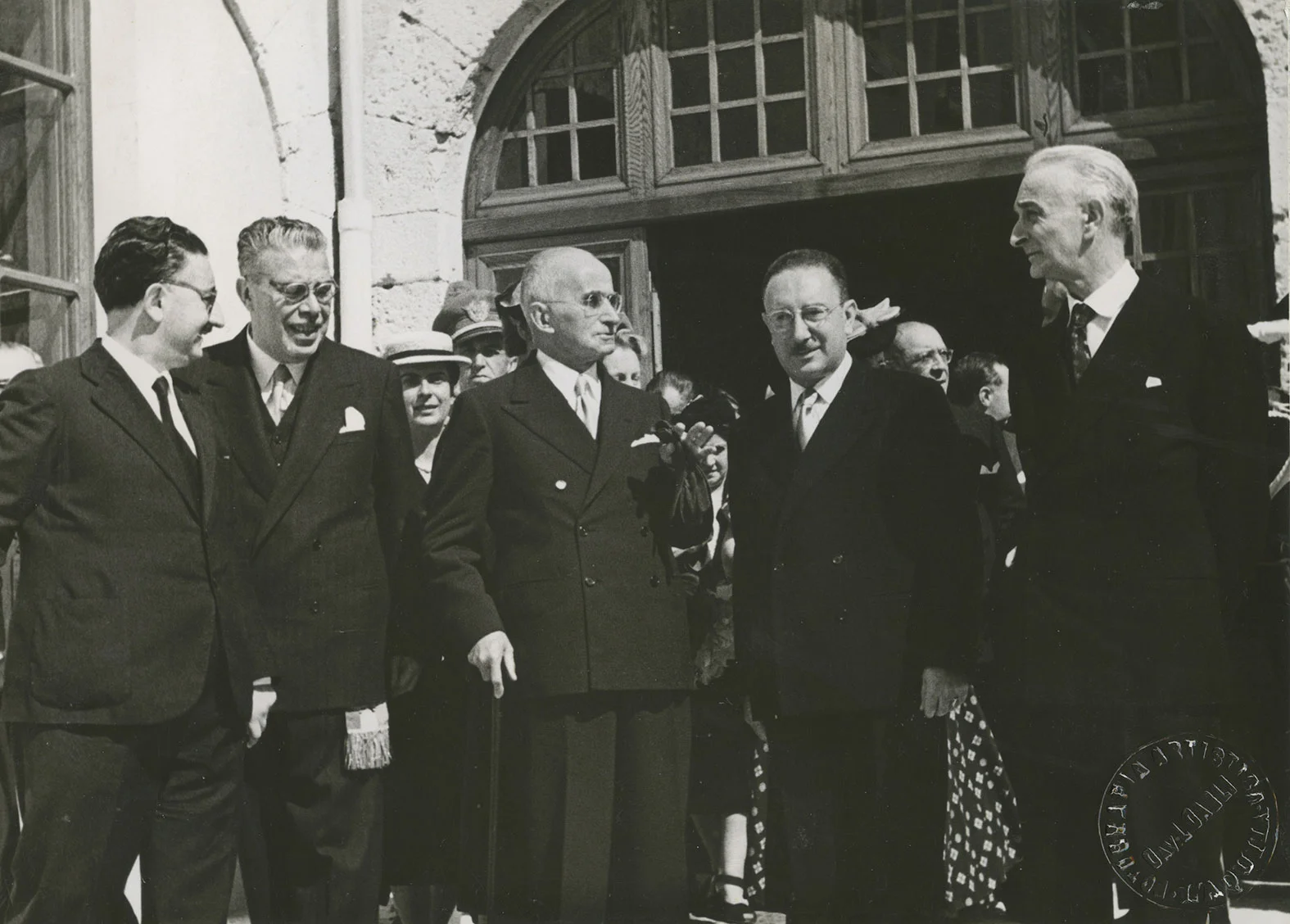
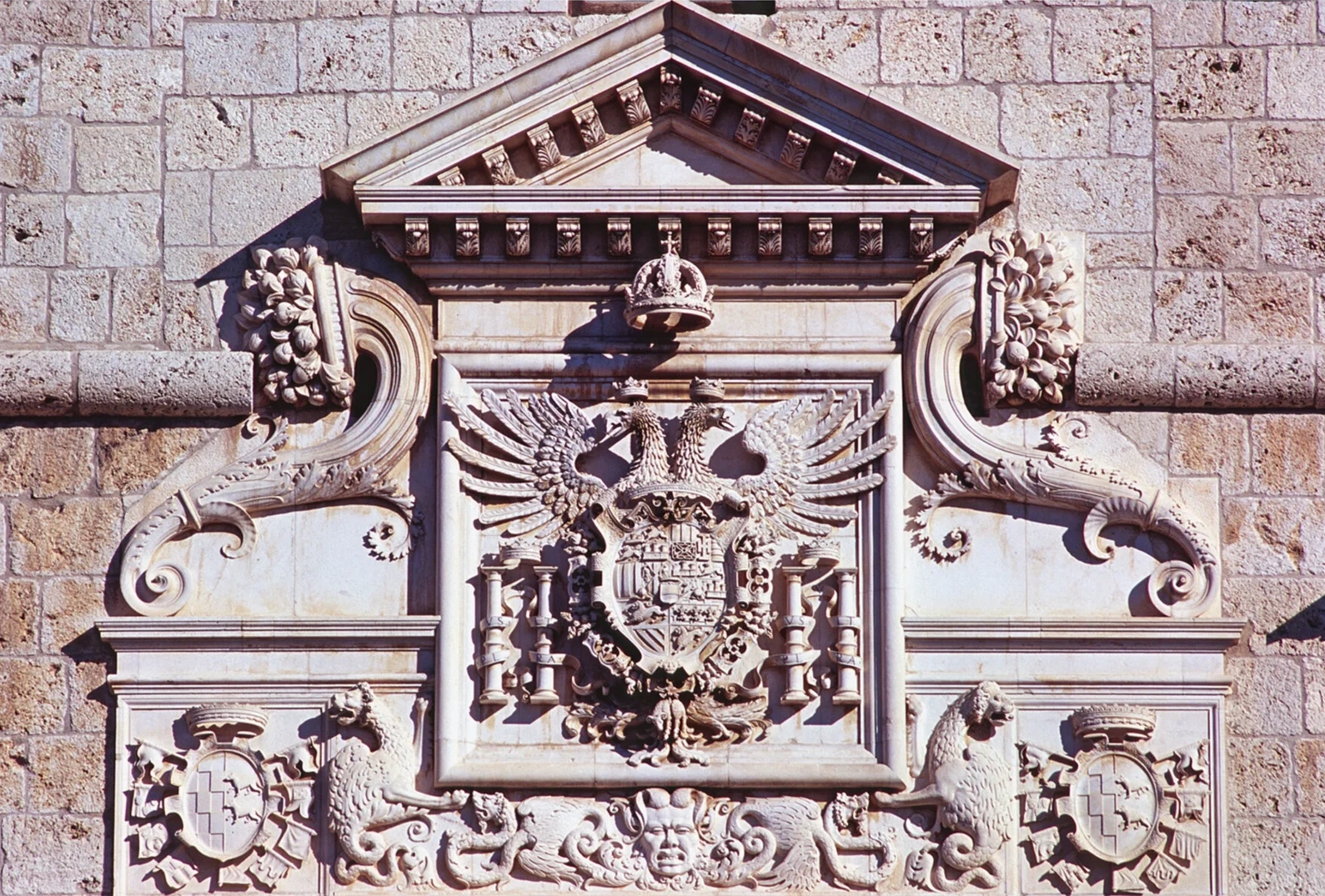
The National Museum of Abruzzo is a relatively modern institution: it was inaugurated on September 23, 1951, in the halls of Castello cinquecentesco of L’Aquila, in the presence of the President of the Republic, Luigi Einaudi.
The idea of housing a museum in the imposing Renaissance building dated back to 1943, but in 1946 the Ministry of Justice requested its use to convert the enormous fortress into a prison. At that time, it must be said, there was no state-owned art collection in the city of L’Aquila.
In 1947, at the urging of local authorities, particularly the superintendent, the mayor, the president of the province, and the L’Aquila Artists Group, the castle was handed over to the Ministry of Education to become the seat of the nascent National Museum of Abruzzo.
A long and costly restoration erased the signs of destruction inflicted by the retreating German occupiers and by its use as a prison and munitions depot.
The establishment of a museum in Abruzzo was crucial to “saving the region’s surviving heritage” and shed new and much-needed light on the study of the art of this part of Italy.
Between 1949 and 1950, the core of the collections was formed by transferring the works from the Civic Museum, donated by the Municipality of L’Aquila, to the National Museum of Abruzzo.
An archaeological section was established, and paintings and sculptures were joined by goldsmith works from Abruzzo’s art scene from the Middle Ages to the 16th century, as well as a small collection of Castelli ceramics.
In 1958, the large fossil of Mammuthus meridionalis, recently discovered in Scoppito, near Madonna della Strada, joined the collections.
The 1960s saw an expansion of the Museum’s collection of works, and the Castle underwent a simultaneous restoration project to create additional space for storage, a conference room, and new sections of medieval, sacred, and contemporary art.
In 1966, in order to save the collection of ecclesiastical art that had been left to decay in the unsuitable spaces of the Diocesan Museum, numerous works were deposited at the National Museum of Abruzzo. This allowed all the artifacts to be arranged according to modern museographic criteria aimed at narrating the art of the Abruzzo region, gathering “the masterpieces of the artistic genius of the ancient sons of this land.”
And so the National Museum of Abruzzo, in addition to ensuring adequate conservation and essential protection of the works housed within, was able to showcase that material in a “rational display on a scale of absolute national importance.”
The following years saw the addition of the Cappelli collection (1975), with works created between the 16th and 19th centuries, and a reorganization of the museum itinerary according to the most up-to-date museological and museographic criteria. These interventions led, in 1985, to the inauguration of a new section dedicated to contemporary art and, in the 1990s, to the creation of specific sections dedicated to textiles and goldsmiths.
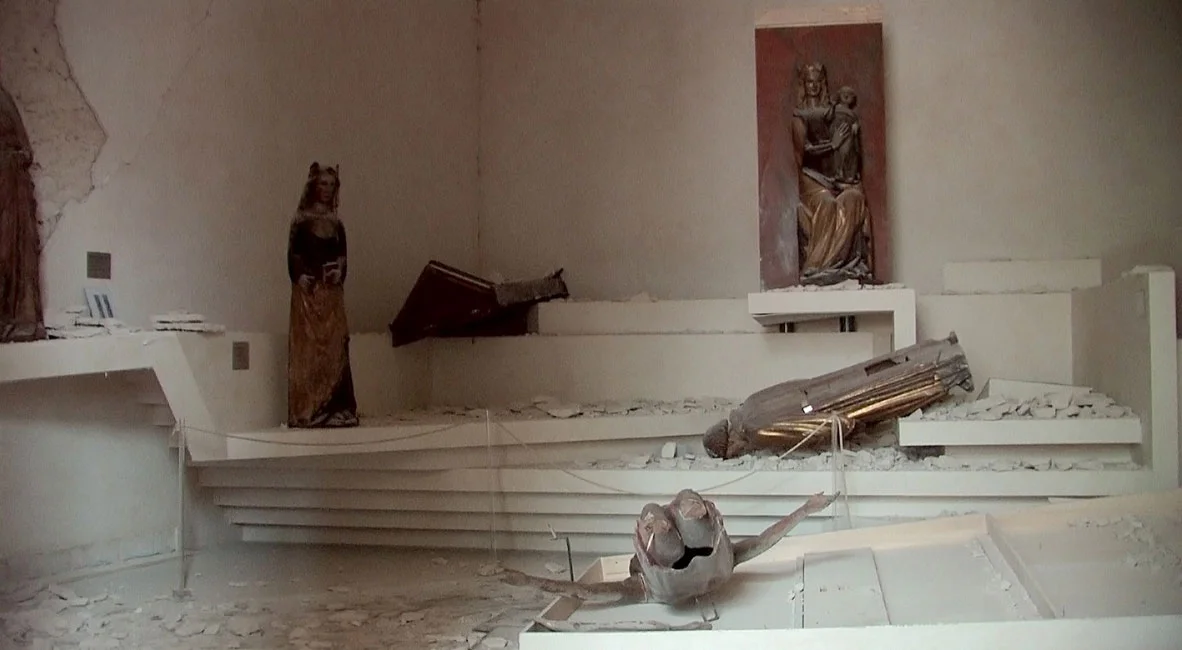
The earthquake of April 6, 2009 caused serious damage to Castello cinquecentesco and the consequent closure of the museum.
On December 19, 2015, in the presence of the Minister of Cultural Heritage Dario Franceschini, the new National Museum of Abruzzo opened in the Borgo Rivera site, in the temporary spaces of Ex Mattatoio, awaiting its return to Castello cinquecentesco.
Gianni Bulian’s project, although several aspects fell through during its implementation, had the primary goal of maintaining the existing relationship between the Museum and the city and filling a gap in a relatively short time: the lack of a National Museum in L’Aquila.
The chosen location, Borgo Rivera, was of great interest because, despite its peripheral location, it is within the ancient city walls and close to the evocative Parco delle Acque and the Fontana delle 99 Cannelle.
Between 2015 and 2025, Ex Mattatoio housed the most important works from the collections, spanning ancient times to the 19th century, and hosted events, concerts, educational activities, and exhibitions.
Ten years later, finally, a significant part of the collections finds its place in the rooms on the ground floor and first floor of Castello cinquecentesco, partially returned to the community and reopened to the public on 19 December 2025.