Description
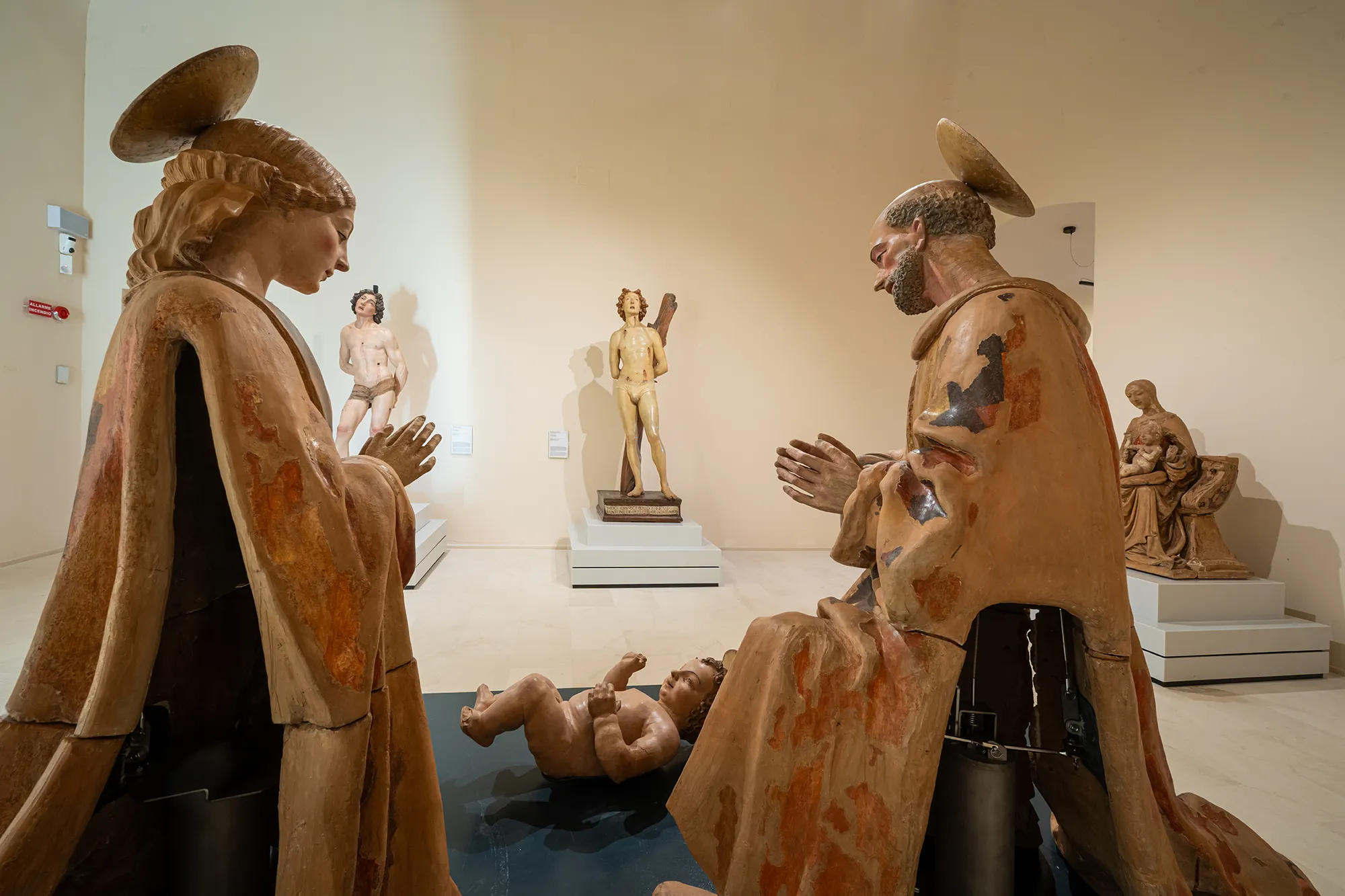
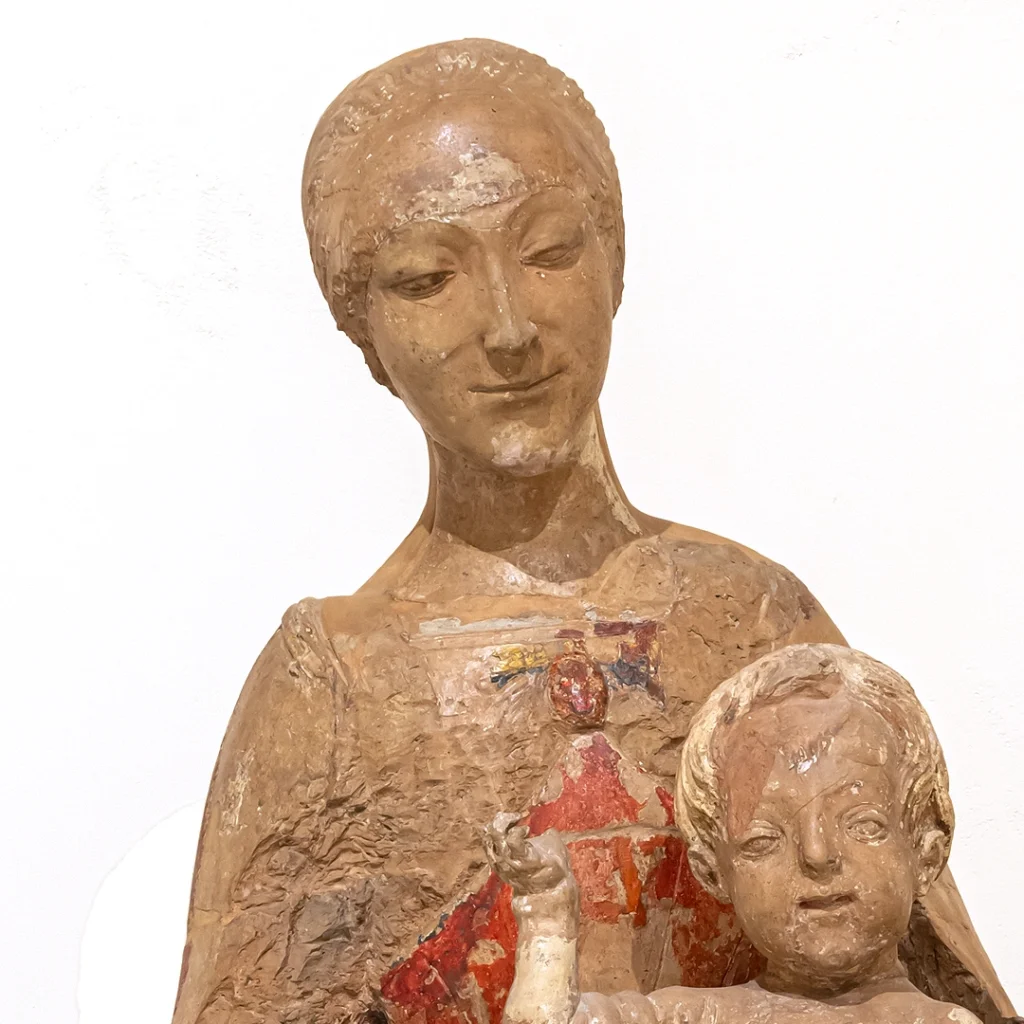
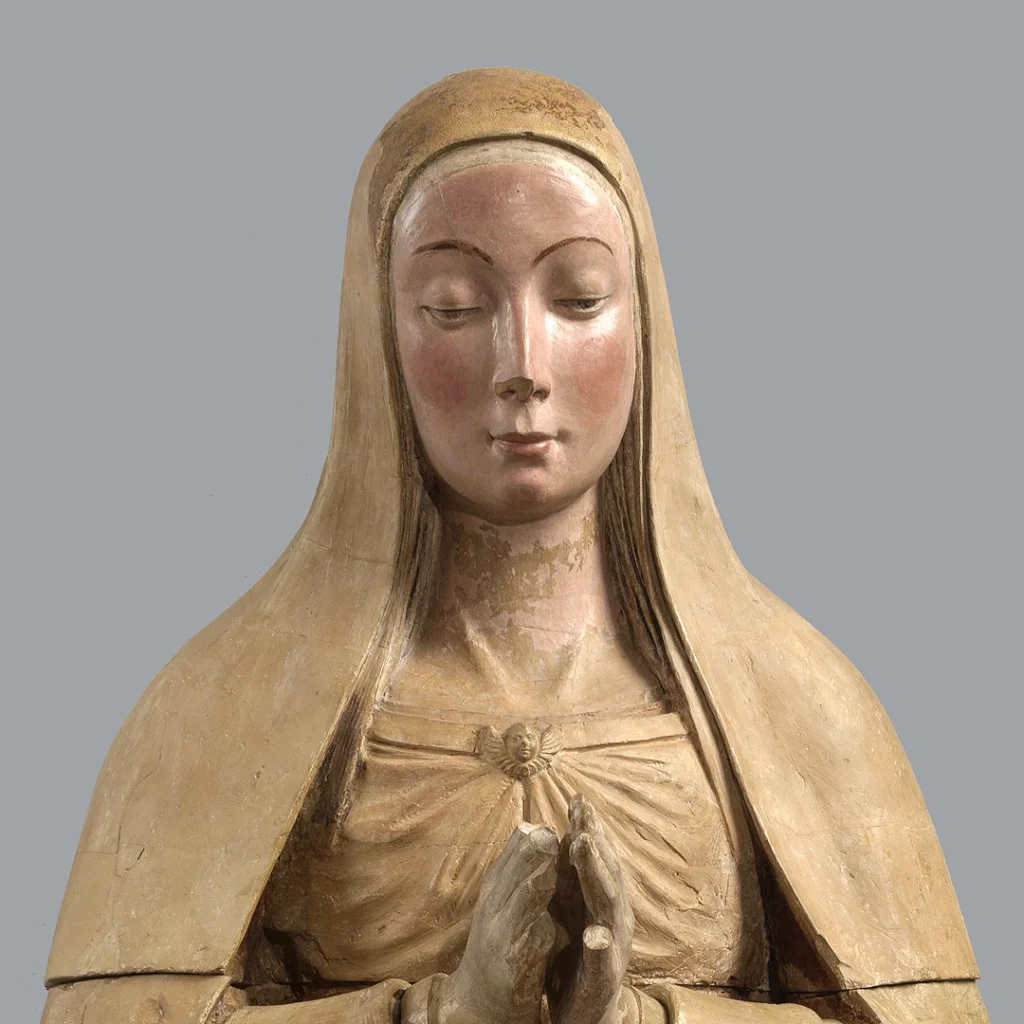
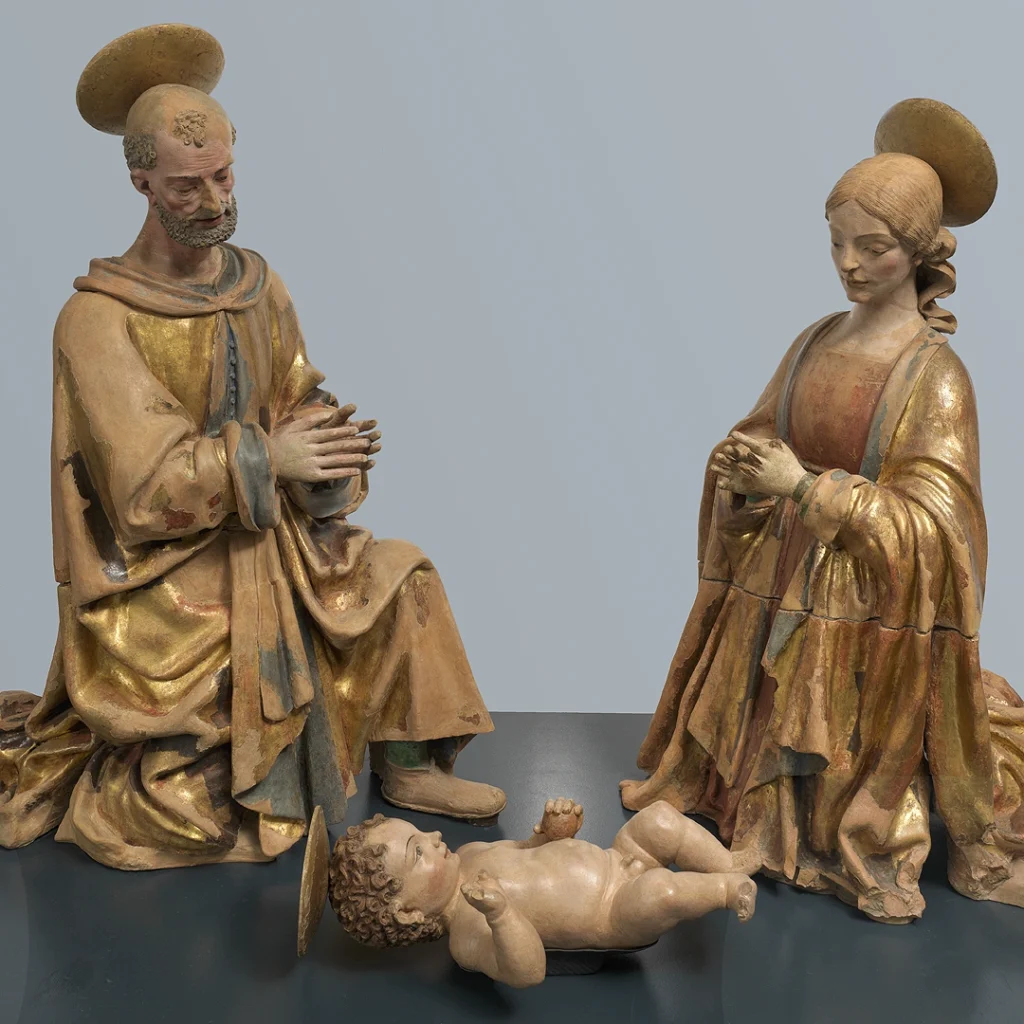
The artworks here on display exemplify the figurative culture that developed in Abruzzo during what art historians call the “Verrocchiesque conjuncture.” This term refers to the reception and reinterpretation of the new figurative language that spread from Florence across Italy in the late 15th century.
In Abruzzo, the transformation was driven by workshops that arose after the 1461 earthquake. The reconstruction led to a vibrant network of building sites and artistic commissions, creating a dynamic cultural climate. Florentine innovations merged with local traditions, producing an original and refined body of work—often complex in attribution, yet crucial to the development of sculpture in the Apennine region between the 15th and early 16th centuries.
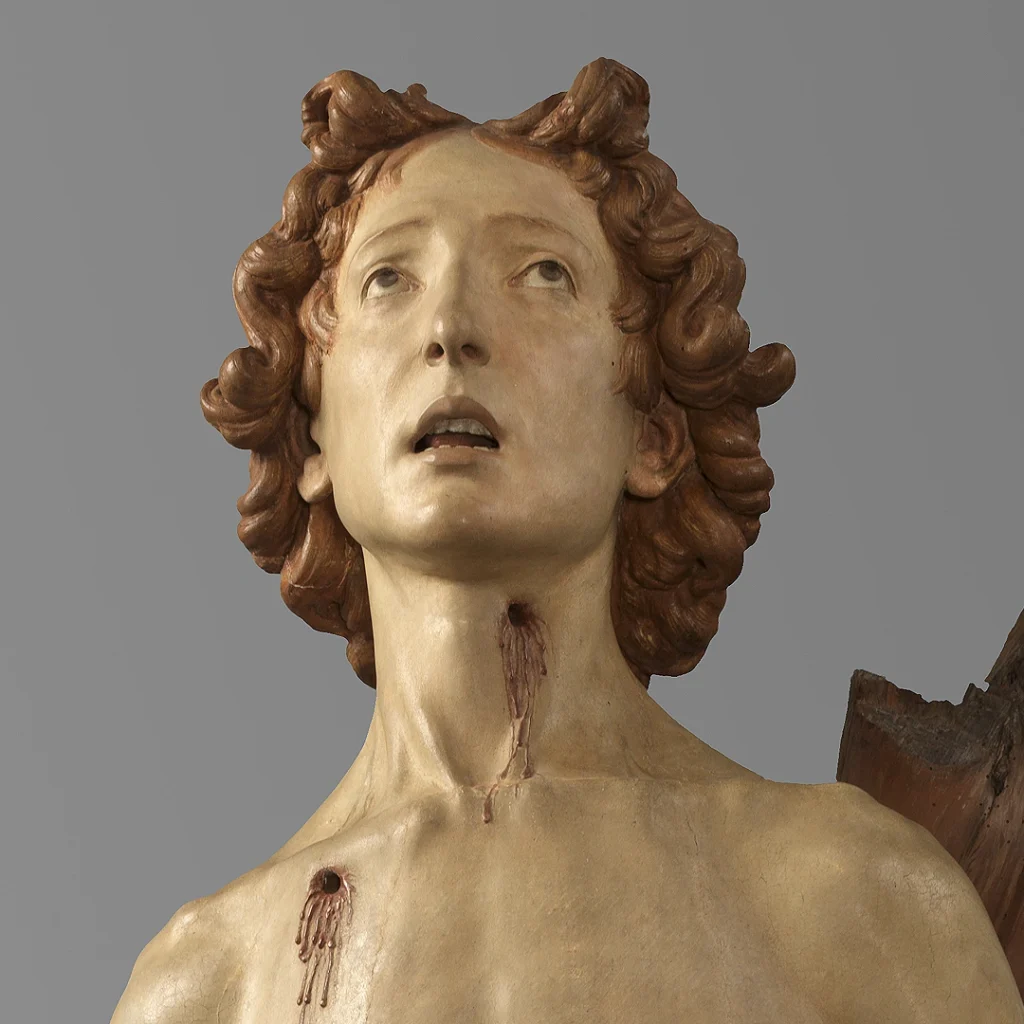
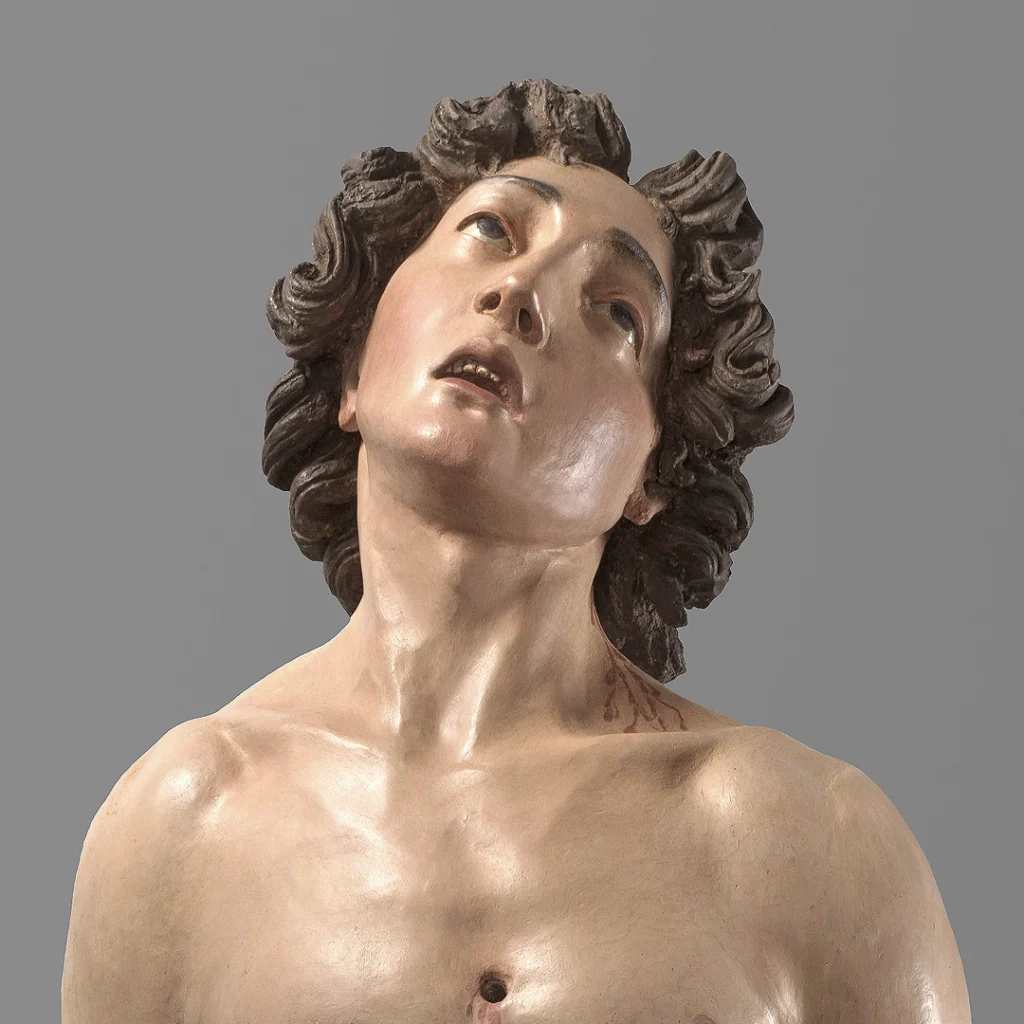
One of the most prolific workshops was that of Silvestro di Giacomo dell’Aquila, which produced masterpieces influenced by both Roman and Florentine styles. Especially notable is the Saint Sebastian from the Church of Santa Maria del Soccorso, whose expressive power made it a widely imitated model. In Silvestro’s workshop also trained Saturnino Gatti, a gifted and versatile artist who became the most accomplished and modern figure in Abruzzo’s Renaissance art.